
Introduction to Communication Skills
What Are Communication Skills?
Definition of Communication Skills
Communication skills refer to the ability to convey information, ideas, thoughts, and emotions effectively to others. These skills involve both sending and receiving messages through verbal, non-verbal, written, and visual forms of communication.
Key Elements of Communication
Effective communication typically includes:
- A sender who delivers the message
- A message containing information or ideas
- A communication channel or medium
- A receiver who interprets the message
- Feedback to confirm understanding
Strong communication skills help individuals express themselves clearly while ensuring that others understand their intended message.
Why Communication Skills Are Important Today
Essential in Personal and Professional Life
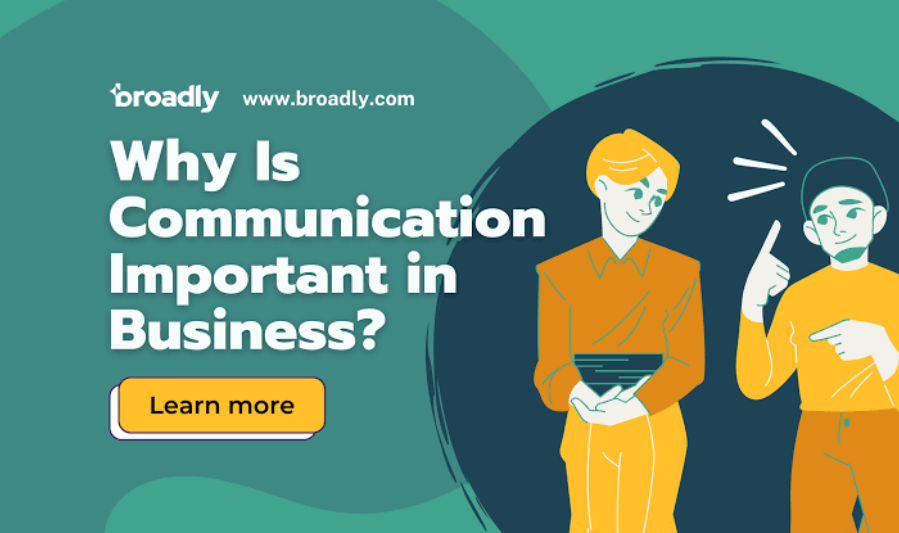
In today’s interconnected world, communication skills are essential for building relationships, sharing information, and achieving personal and professional goals. Whether in schools, workplaces, businesses, or social settings, effective communication promotes understanding and collaboration.
Supporting Career Growth
Employers highly value communication skills because they contribute to teamwork, leadership, customer service, and problem-solving. Individuals with strong communication abilities are often more successful in interviews, presentations, negotiations, and workplace interactions.
Adapting to the Digital Age
With the rise of digital communication platforms such as email, social media, video conferencing, and instant messaging, effective communication has become more important than ever. People must communicate clearly across multiple channels and diverse audiences.
Role of Communication in Daily Life
Building Strong Relationships
Communication plays a vital role in developing and maintaining healthy relationships with family, friends, colleagues, and community members. Open and honest communication fosters trust, understanding, and mutual respect.
Facilitating Learning and Knowledge Sharing
Communication enables people to exchange ideas, share experiences, and learn from one another. It is a fundamental part of education, training, and personal development.
Solving Problems and Making Decisions
Effective communication helps individuals discuss challenges, evaluate options, and make informed decisions. Clear communication reduces misunderstandings and promotes cooperation when resolving conflicts.
Enhancing Social and Professional Interactions
From everyday conversations to business meetings and public speaking engagements, communication skills influence how people interact and connect with others. Strong communication contributes to confidence, professionalism, and overall success in daily life.
Understanding Communication Skills
Definition of Communication
What Is Communication?
Communication is the process of exchanging information, ideas, thoughts, feelings, and messages between individuals or groups. It enables people to understand one another and build meaningful relationships in personal, academic, and professional settings.
Purpose of Communication
The primary purpose of communication is to share information effectively and create mutual understanding. It helps individuals express opinions, solve problems, make decisions, and coordinate activities.
Elements of Communication Process
Overview of the Communication Process
The communication process involves several interconnected elements that work together to ensure successful message transmission. Each element plays a crucial role in achieving effective communication.
Sender
Source of the Message
The sender is the person, group, or organization that initiates the communication process. The sender develops an idea and converts it into a message that can be understood by the receiver.
Responsibilities of the Sender
The sender must ensure that the message is clear, accurate, and appropriate for the intended audience. Effective communication begins with a well-prepared sender.
Message
Information Being Communicated
The message is the information, idea, instruction, or feeling that the sender wants to communicate. It is the core content of the communication process.
Characteristics of an Effective Message
An effective message should be:
- Clear and concise
- Relevant to the audience
- Accurate and complete
- Easy to understand
Medium
Channel of Communication
The medium is the channel through which the message is transmitted from the sender to the receiver. The choice of medium can significantly affect communication effectiveness.
Examples of Communication Media
Common communication channels include:
- Face-to-face conversations
- Telephone calls
- Emails
- Letters
- Video conferencing
- Social media platforms
Receiver
Recipient of the Message
The receiver is the individual or group for whom the message is intended. The receiver interprets and understands the message based on their knowledge, experiences, and perceptions.
Importance of Active Listening
Effective receivers actively listen, pay attention, and seek clarification when necessary to ensure accurate understanding of the message.
Feedback
Response from the Receiver
Feedback is the receiver’s reaction or response to the message. It informs the sender whether the communication has been understood correctly.
Role of Feedback in Communication
Feedback helps:
- Confirm understanding
- Identify misunderstandings
- Improve future communication
- Encourage two-way interaction
Types of Communication
Verbal Communication
Verbal communication involves the use of spoken words to convey information. Examples include conversations, meetings, presentations, and phone calls.
Non-Verbal Communication
Non-verbal communication includes body language, facial expressions, gestures, posture, eye contact, and tone of voice. These cues often reinforce or complement verbal messages.
Written Communication
Written communication involves conveying information through written words. Examples include emails, reports, letters, notices, and text messages.
Visual Communication
Visual communication uses images, charts, graphs, diagrams, symbols, and presentations to communicate information effectively and enhance understanding.
Digital Communication
Digital communication occurs through electronic technologies such as social media, messaging apps, websites, and online collaboration tools. It has become increasingly important in the modern digital world.
Importance of Communication Skills
In Personal Life
Building Strong Relationships
Communication skills play a vital role in developing and maintaining healthy relationships with family, friends, and community members. Effective communication promotes trust, understanding, and mutual respect.
Resolving Conflicts
Strong communication helps individuals express their feelings and concerns clearly, making it easier to resolve misunderstandings and conflicts peacefully.
Improving Self-Confidence
People with good communication skills are often more confident in expressing their ideas, opinions, and emotions, which contributes to personal growth and self-esteem.
In Education
Enhancing Learning Experiences
Communication is essential for effective learning. Students use communication skills to ask questions, participate in discussions, and understand complex concepts.
Improving Academic Performance
Strong communication abilities help students complete assignments, deliver presentations, and collaborate with classmates on group projects.
Encouraging Knowledge Sharing
Effective communication enables students and educators to exchange ideas, provide feedback, and create a productive learning environment.
In Workplace
Promoting Team Collaboration
Communication is a key factor in successful teamwork. Employees who communicate effectively can share information, coordinate tasks, and work together efficiently.
Increasing Productivity
Clear communication reduces confusion, prevents errors, and ensures that employees understand their responsibilities and objectives.
Strengthening Professional Relationships
Good communication helps build positive relationships with colleagues, supervisors, clients, and stakeholders, contributing to a healthy work environment.
In Leadership and Management
Inspiring and Motivating Teams
Effective leaders use communication skills to share their vision, motivate employees, and encourage teamwork toward achieving organizational goals.
Supporting Decision-Making
Managers rely on communication to gather information, discuss options, and make informed decisions that benefit the organization.
Managing Change and Conflict
Strong communication helps leaders address challenges, manage organizational changes, and resolve workplace conflicts effectively.
In Business Growth
Enhancing Customer Satisfaction
Businesses that communicate clearly with customers can better understand their needs, provide quality service, and build long-term customer loyalty.
Strengthening Brand Reputation
Effective communication helps organizations maintain a positive public image and build trust among customers, partners, and investors.
Driving Business Success
Communication supports marketing, sales, negotiations, and customer engagement. Organizations with strong communication practices are better positioned to achieve growth, innovation, and competitive advantage.
Facilitating Global Opportunities
In today’s interconnected world, communication skills enable businesses to collaborate with international clients, partners, and markets, expanding opportunities for growth and success.
Types of Communication Skills
Verbal Communication
What Is Verbal Communication?
Verbal communication refers to the exchange of information through spoken words. It is one of the most common forms of communication and is used in conversations, meetings, presentations, interviews, and public speaking.
Speaking Clearly
Clear speaking ensures that the audience understands the message without confusion. Effective speakers use appropriate vocabulary, organize their thoughts logically, and communicate with confidence.
Tone and Clarity
The tone of voice can influence how a message is interpreted. A friendly, respectful, and professional tone helps create positive communication. Clarity in speech reduces misunderstandings and improves message delivery.
Non-Verbal Communication
What Is Non-Verbal Communication?
Non-verbal communication involves conveying messages without using words. It includes physical behaviors, gestures, and visual cues that support or replace verbal communication.
Body Language
Body language includes posture, hand movements, gestures, and overall physical presence. Positive body language can enhance credibility, confidence, and engagement during communication.
Facial Expressions
Facial expressions communicate emotions and reactions. Smiles, frowns, raised eyebrows, and other expressions help convey feelings and provide additional meaning to spoken messages.
Eye Contact
Maintaining appropriate eye contact demonstrates confidence, attentiveness, and sincerity. It helps build trust and strengthens connections between communicators.
Written Communication
What Is Written Communication?
Written communication involves sharing information through written words. It provides a permanent record of information and is widely used in academic, professional, and personal settings.
Emails
Emails are one of the most common forms of written communication in modern workplaces. Effective emails are clear, concise, professional, and organized.
Reports
Reports are structured documents used to present information, findings, analysis, and recommendations. They play an important role in business, education, and research.
Messages
Messages include text messages, instant messaging, and online communications. Effective messaging requires clarity, proper tone, and concise language to avoid misunderstandings.
Listening Skills
What Are Listening Skills?
Listening skills involve accurately receiving, understanding, interpreting, and responding to messages from others. Effective listening is a critical component of successful communication.
Active Listening
Active listening requires full attention to the speaker, avoiding distractions, and providing appropriate feedback. It involves asking questions, clarifying information, and demonstrating genuine interest in the conversation.
Empathy in Listening
Empathetic listening involves understanding and acknowledging the speaker’s feelings, perspectives, and experiences. It helps build trust, strengthen relationships, and create meaningful communication.
Benefits of Effective Listening
Strong listening skills help individuals:
- Improve understanding and comprehension
- Reduce misunderstandings and conflicts
- Build stronger relationships
- Enhance teamwork and collaboration
- Support better decision-making
Barriers to Effective Communication
Physical Barriers
What Are Physical Barriers?
Physical barriers are environmental factors that interfere with the communication process. These barriers can prevent messages from being transmitted or received clearly.
Common Examples
Examples of physical barriers include:
- Noise and distractions
- Poor internet or telephone connections
- Long distances between communicators
- Inadequate lighting or workspace conditions
- Technical equipment failures
Impact on Communication
Physical barriers can lead to misunderstandings, incomplete information, and reduced communication effectiveness.
Language Barriers
Differences in Language
Language barriers occur when communicators do not share the same language or have different levels of language proficiency. This can make it difficult to understand messages accurately.
Use of Complex Terminology
Technical jargon, difficult vocabulary, and unfamiliar expressions can also create communication challenges, even among speakers of the same language.
Overcoming Language Barriers
Using simple language, avoiding unnecessary jargon, and confirming understanding can help reduce language-related communication problems.
Emotional Barriers
Influence of Emotions
Emotional barriers arise when feelings and emotions interfere with communication. Stress, anger, fear, anxiety, or frustration can affect how messages are sent and interpreted.
Effects on Communication
Strong emotions may cause individuals to:
- Misinterpret messages
- React defensively
- Avoid communication
- Struggle to express themselves clearly
Managing Emotional Barriers
Developing emotional intelligence, remaining calm, and practicing empathy can improve communication during emotionally challenging situations.
Cultural Barriers
Differences in Cultural Backgrounds
Cultural barriers occur when people from different cultures have varying beliefs, values, customs, and communication styles.
Examples of Cultural Differences
Cultural differences may affect:
- Body language and gestures
- Communication etiquette
- Personal space preferences
- Attitudes toward authority
- Interpretation of messages
Promoting Cross-Cultural Communication
Respecting diversity, learning about different cultures, and maintaining an open-minded attitude can help overcome cultural barriers.
Lack of Attention or Interest
Importance of Active Engagement
Communication becomes ineffective when one or more participants are distracted, uninterested, or not fully engaged in the conversation.
Common Causes
Lack of attention may result from:
- Multitasking
- Fatigue or stress
- Personal distractions
- Lack of motivation
- Information overload
Improving Attention and Interest
Effective communication can be improved by:
- Practicing active listening
- Maintaining eye contact
- Asking relevant questions
- Reducing distractions
- Showing genuine interest in the discussion
Overcoming Communication Barriers
Strategies for Effective Communication
To overcome communication barriers, individuals should focus on clarity, active listening, empathy, and appropriate communication channels. Understanding potential obstacles helps create more productive and meaningful interactions.
Benefits of Removing Barriers
When communication barriers are minimized, organizations and individuals experience:
- Better understanding
- Stronger relationships
- Increased productivity
- Reduced conflicts
- Improved collaboration
How to Improve Communication Skills
Practice Speaking Regularly
Importance of Consistent Practice
Regular speaking practice is one of the most effective ways to improve communication skills. The more individuals engage in conversations, presentations, and discussions, the more comfortable and confident they become in expressing their ideas.
Ways to Practice Speaking
Individuals can improve their speaking abilities by:
- Participating in group discussions
- Giving presentations
- Engaging in public speaking activities
- Practicing conversations with friends and colleagues
- Recording and reviewing their speech
Benefits of Regular Practice
Consistent practice improves fluency, pronunciation, clarity, and confidence while reducing hesitation and nervousness during communication.
You may also like to read these posts:
Artificial Intelligence: Shaping the Future of Humanity
Understanding Machine Learning and Its Real-World Applications
Understanding Data Science and Its Real-World Applications
Improve Vocabulary and Grammar
Expanding Vocabulary
A strong vocabulary enables individuals to express their thoughts more accurately and effectively. Learning new words helps make communication more precise and engaging.
Strengthening Grammar Skills
Good grammar improves the clarity and professionalism of communication. Proper sentence structure reduces misunderstandings and enhances credibility.
Methods for Improvement
Vocabulary and grammar can be improved through:
- Reading books, articles, and newspapers
- Learning new words daily
- Using language-learning applications
- Practicing writing regularly
- Reviewing grammar rules
Develop Active Listening
Understanding Active Listening
Active listening involves paying full attention to the speaker, understanding the message, and responding appropriately. It is a critical component of effective communication.
Techniques for Active Listening
To become a better listener:
- Maintain focus on the speaker
- Avoid interrupting
- Ask clarifying questions
- Provide constructive feedback
- Summarize key points when necessary
Benefits of Active Listening
Active listening improves understanding, strengthens relationships, reduces conflicts, and promotes meaningful communication.
Work on Confidence
Importance of Self-Confidence
Confidence plays a significant role in effective communication. Confident communicators express their ideas clearly and are more likely to engage successfully with others.
Building Communication Confidence
Confidence can be developed by:
- Preparing before speaking
- Practicing regularly
- Setting realistic goals
- Learning from mistakes
- Celebrating small improvements
Overcoming Fear of Communication
Facing communication challenges gradually and gaining experience can help reduce anxiety and increase self-assurance.
Use Positive Body Language
Role of Non-Verbal Communication
Body language often communicates as much as spoken words. Positive non-verbal cues can reinforce messages and improve interactions.
Elements of Positive Body Language
Effective body language includes:
- Maintaining appropriate eye contact
- Smiling naturally
- Using open and relaxed posture
- Making suitable hand gestures
- Showing attentiveness through facial expressions
Impact on Communication
Positive body language builds trust, demonstrates confidence, and helps create a positive impression during conversations and presentations.
Take Feedback and Improve
Value of Constructive Feedback
Feedback provides valuable insights into communication strengths and areas for improvement. It helps individuals identify habits that may affect communication effectiveness.
Accepting Feedback Positively
Individuals should view feedback as an opportunity for growth rather than criticism. An open mindset encourages continuous improvement.
Continuous Learning and Development
Improving communication skills is an ongoing process. Regular self-assessment, practice, and willingness to learn from others contribute to long-term communication success.
Benefits of Improving Communication Skills
Personal Growth
Strong communication skills enhance self-confidence, relationships, and overall personal development.
Professional Success
Effective communicators are often better equipped to collaborate, lead teams, solve problems, and advance in their careers.
Stronger Relationships
Improved communication fosters trust, understanding, and meaningful connections in both personal and professional environments.
Faqs:
What are communication skills?
Communication skills are the abilities used to share information, ideas, and feelings effectively through speaking, listening, writing, and non-verbal communication.
Why are communication skills important?
Communication skills are important because they help build relationships, improve teamwork, reduce misunderstandings, and contribute to personal and professional success.
How can I improve my communication skills?
You can improve your communication skills by practicing active listening, speaking clearly, expanding your vocabulary, maintaining positive body language, and seeking constructive feedback.
What are the main types of communication?
The four main types of communication are verbal communication, non-verbal communication, written communication, and visual communication.
How do communication skills help in the workplace?
Effective communication skills improve collaboration, enhance leadership abilities, strengthen client relationships, increase productivity, and help resolve conflicts efficiently.
Conclusion
Communication skills are essential for success in both personal and professional life. They enable individuals to express their ideas clearly, build meaningful relationships, and collaborate effectively with others. Whether through speaking, listening, writing, or non-verbal communication, strong communication skills help reduce misunderstandings and improve overall productivity.
By continuously practicing and improving communication techniques, individuals can boost their confidence, strengthen their leadership abilities, and achieve greater success in their careers and daily interactions. In a world that is increasingly connected, effective communication remains one of the most valuable skills anyone can develop.