Introduction to Problem Solving
What is Problem Solving?
Problem solving is the process of identifying a problem, analyzing its causes, and finding effective solutions to overcome it. It involves critical thinking, decision-making, creativity, and logical reasoning to address challenges in an organized way.
Purpose of Problem Solving
The main purpose of problem solving is to find practical and efficient solutions to difficulties while minimizing negative effects and achieving desired outcomes.
Why Problem Solving is Important in Modern Life

Dealing with Everyday Challenges
In modern life, individuals face different types of problems in personal, academic, and professional areas. Problem solving helps people handle these challenges effectively and make better decisions.
Improving Decision-Making
Problem solving strengthens decision-making skills by encouraging individuals to evaluate different options and choose the most suitable solution.
Enhancing Adaptability
It helps individuals adapt to changing situations and respond effectively to new or unexpected problems in a fast-moving world.
Supporting Personal and Professional Growth
Strong problem-solving skills are essential for success in education, workplace, and business environments, where quick and effective solutions are often required.
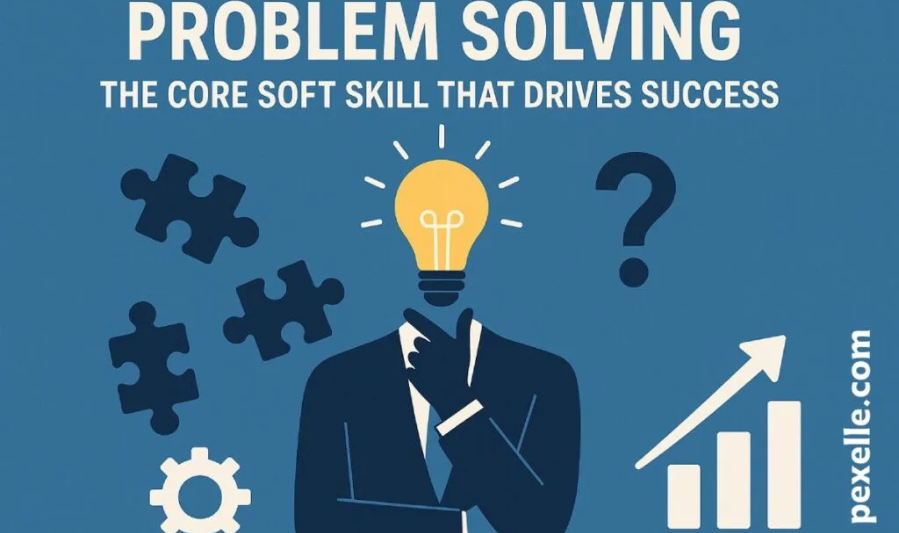
Role of Problem Solving in Success
Achieving Goals
Problem solving helps individuals overcome obstacles and stay focused on achieving their personal and professional goals.
Building Confidence
Successfully solving problems increases self-confidence and encourages individuals to take on new challenges without fear.
Improving Efficiency
Good problem solving reduces confusion and delays by providing clear solutions, which improves overall productivity and efficiency.
Driving Innovation
Problem solving encourages creative thinking and innovation, allowing individuals and organizations to develop new ideas, products, and solutions.
Strengthening Career Development
Employers value individuals with strong problem-solving skills because they can handle challenges, make informed decisions, and contribute to organizational success.
Understanding Problem Solving
Definition of Problem Solving
Problem solving is the systematic process of identifying an issue, analyzing its causes, and developing effective solutions to overcome it. It involves using logical thinking, creativity, and analytical skills to resolve challenges in personal, academic, and professional situations.
Purpose of Problem Solving
The main purpose of problem solving is to find the best possible solution to a problem in an efficient and practical way while minimizing negative outcomes.
Characteristics of a Good Problem Solver
Analytical Thinking
A good problem solver can analyze situations carefully, break down complex problems, and understand their root causes before making decisions.
Creativity
Creativity helps in generating multiple possible solutions and thinking outside the box to handle challenges effectively.
Decision-Making Ability
Strong problem solvers can evaluate different options and choose the most suitable solution based on facts and logic.
Patience and Persistence
Good problem solvers remain calm and patient when facing difficulties and continue working toward solutions without giving up easily.
Adaptability
They can adjust their approach based on changing situations and are open to new ideas and methods.
Communication Skills
Effective communication helps in clearly explaining problems, discussing solutions, and working with others to solve issues collaboratively.
Difference Between Problem Solving and Decision Making
Problem Solving
Problem solving is a broader process that involves identifying a problem, analyzing it, and finding possible solutions. It focuses on understanding the root cause and resolving the issue.
Decision Making
Decision making is a part of problem solving that involves selecting the best option from available alternatives. It focuses more on choosing a solution rather than identifying or analyzing the problem.
Key Differences
- Scope: Problem solving is a complete process, while decision making is one step within it.
- Focus: Problem solving focuses on finding solutions; decision making focuses on choosing the best option.
- Process: Problem solving involves analysis and creativity; decision making involves evaluation and selection.
- Outcome: Problem solving results in solutions; decision making results in a final choice.
Importance of Problem Solving Skills
In Personal Life
Problem solving skills help individuals handle everyday challenges such as financial issues, relationship conflicts, and time management. They enable people to make better decisions and find practical solutions to improve their quality of life.
In Education
In education, problem solving is essential for understanding complex subjects, completing assignments, and performing well in exams. It encourages critical thinking and helps students learn how to analyze and resolve academic challenges effectively.
In Workplace
In the workplace, employees with strong problem-solving skills can handle unexpected issues, improve work processes, and increase productivity. These skills are highly valued by employers because they contribute to smoother operations and better team performance.
In Leadership Roles
Leaders use problem-solving skills to address team conflicts, make strategic decisions, and overcome organizational challenges. Effective problem solvers in leadership roles can guide teams more efficiently and maintain a positive work environment.
In Business Growth
Problem solving plays a key role in business success by helping organizations identify challenges, improve products and services, and adapt to market changes. Businesses that solve problems effectively are more innovative, competitive, and successful in the long term.
Types of Problem Solving Skills
Analytical Thinking
Analytical thinking is the ability to break down complex problems into smaller parts and examine them carefully. It helps individuals understand the root cause of a problem and evaluate information in a structured way before making decisions.
Critical Thinking
Critical thinking involves evaluating information objectively and questioning assumptions before forming conclusions. It helps in identifying errors, comparing alternatives, and selecting the most effective solution based on evidence and logic.
Creative Thinking
Creative thinking is the ability to generate new and innovative ideas to solve problems. It encourages thinking outside the box and finding unique solutions when traditional methods are not effective.
Logical Reasoning
Logical reasoning is the process of using structured thinking to connect facts and draw valid conclusions. It helps individuals solve problems step-by-step in a clear and rational manner.
Decision-Making Skills
Decision-making skills involve selecting the best solution from multiple alternatives. It requires analyzing options, weighing pros and cons, and choosing the most appropriate action to resolve a problem effectively.
Steps in Problem Solving Process
Identifying the Problem
The first step in problem solving is clearly identifying the problem. It involves recognizing that an issue exists and defining it in simple and understandable terms.
Understanding the Root Cause
After identifying the problem, it is important to understand its root cause. This step focuses on finding out why the problem is happening instead of just looking at the symptoms.
Gathering Information
In this step, relevant data and information are collected to better understand the problem. Accurate information helps in making informed decisions and finding effective solutions.
Brainstorming Solutions
Brainstorming involves generating multiple possible solutions without immediate judgment. This encourages creativity and helps in exploring different ways to solve the problem.
Evaluating Options
Once solutions are generated, each option is analyzed based on its advantages, disadvantages, feasibility, and impact. This helps in narrowing down the best possible choices.
Selecting the Best Solution
After evaluation, the most effective and practical solution is selected. The chosen solution should best address the problem with minimum risk and maximum benefit.
You may also like to read these posts:
Artificial Intelligence: Shaping the Future of Humanity
Understanding Machine Learning and Its Real-World Applications
Understanding Data Science and Its Real-World Applications
Implementing the Solution
In this step, the selected solution is put into action. Proper planning and execution are important to ensure the solution is applied correctly.
Reviewing Results
The final step involves reviewing the outcome of the implemented solution. It helps in determining whether the problem has been solved effectively and whether any improvements are needed in the future.
Faqs:
What is problem solving?
Problem solving is the process of identifying an issue, analyzing its causes, and finding the most effective solution to resolve it.
Why is problem solving important?
Problem solving is important because it helps improve decision-making, increases efficiency, reduces stress, and supports success in personal and professional life.
What are the main steps of problem solving?
The main steps include identifying the problem, analyzing the cause, generating solutions, evaluating options, implementing the best solution, and reviewing results.
How can I improve my problem solving skills?
You can improve by practicing critical thinking, staying calm under pressure, learning from mistakes, asking questions, and thinking creatively.
Is problem solving a skill?
Yes, problem solving is a skill that can be learned and improved over time through practice, experience, and continuous learning.
Conclusion
Problem solving is an essential skill that helps individuals overcome challenges, make informed decisions, and achieve their goals effectively. Whether in personal life, education, or the workplace, the ability to identify problems and develop practical solutions is key to success.
By strengthening analytical thinking, creativity, and decision-making abilities, individuals can approach challenges with confidence and efficiency. Developing strong problem-solving skills not only improves productivity but also supports personal growth, career advancement, and long-term success in an ever-changing world.