
Introduction
Software development is the process of designing, creating, testing, deploying, and maintaining software applications and systems. It involves a combination of programming, problem-solving, project management, and collaboration to build solutions that meet user and business needs. From mobile apps and websites to enterprise systems and artificial intelligence platforms, software development powers much of the technology used in modern life.
What Is Software Development?
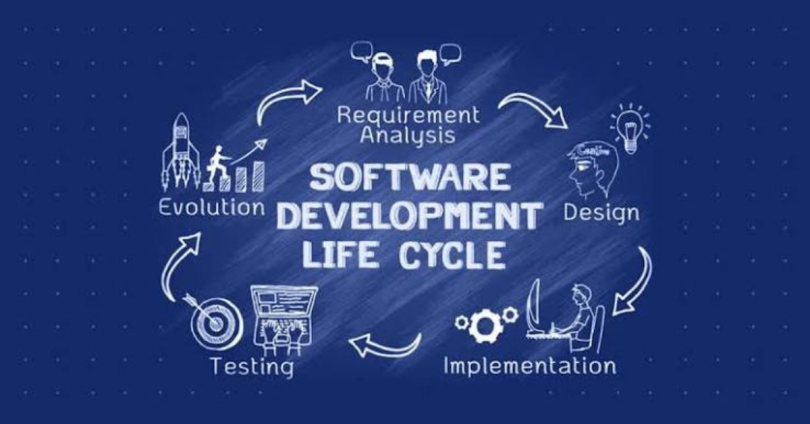
Software development refers to the structured process of creating software products through a series of stages known as the Software Development Life Cycle (SDLC). These stages typically include planning, analysis, design, coding, testing, deployment, and maintenance. Developers use programming languages, frameworks, and tools to transform ideas and requirements into functional software that solves specific problems or performs desired tasks.
Why Software Development Is Important in Today’s Digital World
In today’s digital age, software development plays a crucial role in driving innovation, improving efficiency, and enabling communication. Businesses rely on software to manage operations, serve customers, analyze data, and remain competitive in rapidly changing markets. Governments, educational institutions, healthcare providers, and individuals also depend on software solutions for daily activities. As technology continues to evolve, software development remains a key factor in shaping the future of society and the global economy.
The Growing Demand for Software Solutions
The demand for software solutions has increased significantly due to the rapid growth of digital technologies, cloud computing, mobile devices, and artificial intelligence. Organizations across all industries are investing in custom software and digital transformation initiatives to improve productivity and meet customer expectations. This growing reliance on technology has created a strong demand for skilled software developers and innovative software products, making software development one of the most important and rapidly expanding fields in the modern world.
Understanding Software Development
Definition and Core Concepts
What Is Software Development?
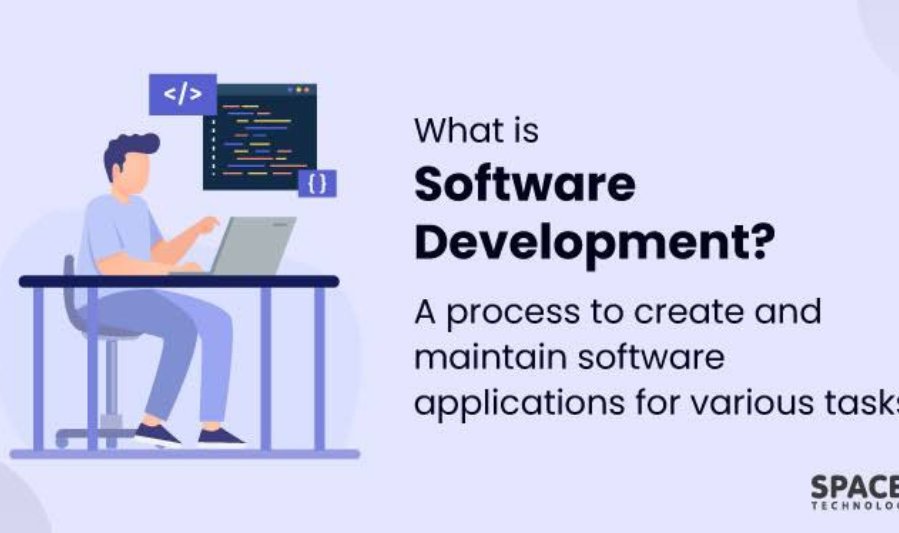
Software development is the systematic process of creating, designing, testing, deploying, and maintaining software applications and systems. It combines technical knowledge, creativity, and problem-solving skills to develop solutions that meet specific user and business requirements.
Key Components of Software Development
Several core concepts form the foundation of software development:
- Programming: Writing code using programming languages such as Python, Java, C++, and JavaScript.
- Software Design: Planning the structure, architecture, and functionality of software before development begins.
- Testing: Verifying that software functions correctly and is free from significant defects.
- Maintenance: Updating and improving software after deployment to ensure reliability and performance.
- Requirements Analysis: Understanding user needs and translating them into technical specifications.
- Version Control: Managing changes to source code using tools like Git to support collaboration and track development history.
Importance of Core Concepts
These concepts work together to ensure that software is efficient, reliable, secure, and capable of meeting organizational goals. A strong understanding of these fundamentals is essential for successful software development projects.
History and Evolution of Software Development
Early Days of Programming
The history of software development dates back to the early days of computing in the mid-20th century. Initially, programmers wrote machine-level instructions directly for computers, making software development a complex and time-consuming task.
Introduction of High-Level Languages
During the 1950s and 1960s, high-level programming languages such as FORTRAN and COBOL were introduced, simplifying the coding process. These languages made software development more accessible and efficient.
Emergence of Software Engineering
In the 1970s and 1980s, software engineering emerged as a formal discipline. Structured programming methods, project management practices, and the Software Development Life Cycle (SDLC) were developed to improve software quality and project success rates.
The Internet and Agile Revolution
The 1990s witnessed the rapid growth of the internet, creating demand for web applications and online services. In the early 2000s, Agile methodologies transformed software development by emphasizing collaboration, flexibility, and continuous delivery.
Modern Trends in Software Development
Today, software development continues to evolve through innovations such as:
- Cloud Computing
- Mobile Application Development
- Artificial Intelligence (AI)
- Machine Learning (ML)
- DevOps Practices
- Automation and Continuous Integration
These technologies enable organizations to build scalable, secure, and high-performing software solutions.
How Software Powers Modern Businesses
Driving Operational Efficiency
Software helps businesses automate repetitive tasks, streamline workflows, and improve productivity. Enterprise systems manage critical functions such as finance, human resources, inventory, and supply chain operations.
Enhancing Customer Relationships
Customer Relationship Management (CRM) software allows organizations to track customer interactions, personalize services, and improve customer satisfaction.
Supporting Data-Driven Decision Making
Modern businesses rely on software analytics tools to collect, process, and analyze large volumes of data. These insights help leaders make informed strategic decisions.
Enabling Communication and Collaboration
Communication platforms, project management tools, and cloud-based collaboration software support teamwork, remote work, and efficient information sharing.
Expanding Through E-Commerce
Software powers online stores, digital payment systems, and customer service platforms, enabling businesses to reach customers across the globe and generate new revenue streams.
Strengthening Cybersecurity
Security software protects sensitive business data, prevents unauthorized access, and helps organizations comply with industry regulations and security standards.
Gaining Competitive Advantage
Organizations that effectively use software can innovate faster, respond to market changes more efficiently, and deliver better customer experiences. As digital transformation continues to accelerate, software remains a key driver of business growth and long-term success.
Why Businesses Need Software Development
Improving Operational Efficiency
Streamlining Business Processes
Software development helps businesses improve operational efficiency by streamlining and optimizing internal processes. Custom software solutions allow organizations to manage workflows more effectively, reduce delays, and ensure that tasks are completed with greater accuracy and consistency.
Better Resource Management
With well-designed software systems, businesses can allocate resources such as time, money, and manpower more effectively. This reduces waste and improves overall productivity across departments.
Automating Repetitive Tasks
Reducing Manual Workload
Software enables automation of repetitive and time-consuming tasks such as data entry, report generation, and inventory tracking. This reduces the burden on employees and allows them to focus on more strategic and creative work.
Minimizing Human Error
Automation not only saves time but also reduces the likelihood of human errors. Accurate and consistent data processing improves decision-making and business reliability.
Enhancing Customer Experience
Personalized Services
Modern software systems allow businesses to analyze customer behavior and preferences. This enables personalized recommendations, targeted marketing, and improved service delivery.
Faster Response Times
Customer support systems, chatbots, and CRM tools help businesses respond quickly to customer inquiries, improving satisfaction and loyalty.
Increasing Revenue Opportunities
Expanding Market Reach
Software development enables businesses to create mobile apps, websites, and e-commerce platforms that reach a global audience, increasing potential sales and revenue.
Introducing New Digital Products
Businesses can develop new digital products and services such as subscription platforms, online tools, and SaaS (Software as a Service) solutions to generate additional income streams.
Supporting Digital Transformation
Modernizing Traditional Systems
Software development plays a key role in digital transformation by replacing outdated manual systems with modern digital solutions. This improves speed, accuracy, and scalability.
Enabling Innovation and Competitiveness
Organizations that invest in software development are better positioned to innovate, adapt to market changes, and stay competitive in a rapidly evolving digital economy.
Integration of Advanced Technologies
Digital transformation often includes the integration of technologies such as cloud computing, artificial intelligence, and data analytics, all of which rely heavily on software development to function effectively.
Types of Software Development

Web Development
What Is Web Development?
Web development is the process of creating websites and web applications that run on browsers. It involves designing, building, and maintaining online platforms that can be accessed through the internet.
Front-End Development
User Interface Development
Front-end development focuses on the visual and interactive parts of a website. It includes everything users see and interact with, such as layouts, buttons, menus, and animations.
Technologies Used
Common technologies include HTML, CSS, and JavaScript, along with frameworks like React, Angular, and Vue.js.
Back-End Development
Server-Side Logic
Back-end development handles the server-side of web applications. It manages databases, authentication, and application logic that users do not directly see.
Key Technologies
Popular back-end technologies include Node.js, Python (Django/Flask), PHP, Java, and databases like MySQL and MongoDB.
Full-Stack Development
Combining Front-End and Back-End
Full-stack development involves working on both the front-end and back-end of applications. Full-stack developers are capable of building complete web solutions from start to finish.
Mobile App Development
Creating Mobile Applications
Mobile app development focuses on building applications for smartphones and tablets. These apps are designed for mobile operating systems and user experiences.
Android Development
Android Applications
Android development involves creating apps for devices running the Android operating system. It is widely used due to the large global user base of Android devices.
Common Tools
Developers typically use Java or Kotlin along with Android Studio.
iOS Development
Apple Ecosystem Applications
iOS development focuses on building applications for Apple devices such as iPhones and iPads.
Common Tools
Developers use Swift or Objective-C along with Xcode.
Cross-Platform Development
One Codebase, Multiple Platforms
Cross-platform development allows developers to build apps that run on both Android and iOS using a single codebase.
Popular Frameworks
Tools like Flutter and React Native are commonly used for cross-platform development.
Desktop Software Development
Traditional Computer Applications
Desktop software development involves creating applications that run on personal computers such as Windows, macOS, and Linux systems.
Common Use Cases
Examples include media players, office tools, and system utilities.
Enterprise Software Development
Large-Scale Business Systems
Enterprise software development focuses on building large, complex systems used by organizations to manage business operations.
Examples
These include ERP systems, CRM platforms, and supply chain management systems.
Custom Software Development
Tailored Solutions
Custom software development involves creating software specifically designed to meet the unique needs of a business or organization.
Benefits
It offers flexibility, scalability, and better alignment with business goals compared to off-the-shelf software solutions.
Software Development Life Cycle (SDLC)
Requirement Gathering and Analysis
Understanding User Needs
The first stage of the Software Development Life Cycle (SDLC) is requirement gathering and analysis. In this phase, stakeholders, clients, and developers work together to identify what the software should accomplish.
Defining Functional and Non-Functional Requirements
Requirements are categorized into functional requirements (what the system should do) and non-functional requirements (performance, security, scalability, etc.). This stage ensures that the development team has a clear understanding of the project goals.
Planning and Project Scope
Setting Objectives and Timeline
In the planning phase, the project scope is defined along with timelines, budgets, and resource allocation. Project managers create a roadmap that outlines how the software will be developed.
Risk Assessment
Potential risks such as technical challenges, budget constraints, and time limitations are identified and evaluated to reduce future problems.
Software Design and Architecture
System Structure Design
This phase focuses on designing the overall structure of the software system. Architects define how different components will interact with each other.
UI/UX and Technical Design
Designers create user interface layouts and user experience flows, while technical teams define database structures, APIs, and system architecture.
Development and Coding
Writing the Code
In this phase, developers begin writing the actual code based on design specifications. Programming languages, frameworks, and tools are used to build the software.
Collaboration and Version Control
Teams use version control systems like Git to collaborate efficiently and manage changes in the codebase.
Testing and Quality Assurance
Identifying and Fixing Bugs
Testing is performed to ensure the software functions correctly and meets requirements. Bugs and errors are identified and resolved before release.
Types of Testing
This includes unit testing, integration testing, system testing, and user acceptance testing (UAT).
Deployment and Launch
Releasing the Software
Once testing is complete, the software is deployed to a production environment where users can access it.
Release Management
Deployment may be done in stages to ensure stability and minimize disruptions.
Maintenance and Updates
Ongoing Support
After launch, software requires continuous monitoring and maintenance to fix issues and improve performance.
Feature Enhancements
Updates are released regularly to add new features, improve security, and adapt to changing user needs.
Software Development Methodologies
Agile Methodology
Flexible and Iterative Development
Agile methodology is a modern software development approach that focuses on flexibility, collaboration, and continuous improvement. Instead of following a rigid plan, Agile breaks projects into small iterations called “sprints.”
Key Principles
Agile emphasizes customer feedback, adaptive planning, and rapid delivery of working software. Teams continuously refine and improve the product throughout the development process.
Scrum Framework
Structured Agile Implementation
Scrum is a popular framework within Agile that organizes work into fixed-length iterations called sprints, usually lasting 1–4 weeks.
Roles and Responsibilities
Scrum defines three key roles:
- Product Owner: Defines requirements and prioritizes tasks
- Scrum Master: Facilitates the process and removes obstacles
- Development Team: Builds and delivers the product
Scrum Events
Scrum includes daily stand-ups, sprint planning, sprint reviews, and retrospectives to ensure continuous progress.
Waterfall Model
Traditional Sequential Approach
The Waterfall model is a linear software development methodology where each phase must be completed before moving to the next.
Phases of Waterfall
It typically includes requirements, design, development, testing, deployment, and maintenance.
Limitations
Waterfall is less flexible and does not handle changing requirements well, making it less suitable for modern, fast-changing projects.
DevOps Approach
Combining Development and Operations
DevOps is a methodology that integrates software development (Dev) and IT operations (Ops) to improve collaboration and efficiency.
Continuous Delivery
DevOps focuses on automation, continuous integration (CI), and continuous deployment (CD) to speed up software delivery and improve reliability.
Benefits
It helps reduce development cycles, improve deployment frequency, and enhance system stability.
Lean Software Development
Eliminating Waste
Lean software development focuses on maximizing value while minimizing waste in the development process.
Core Principles
It emphasizes delivering only what is necessary, improving efficiency, and continuously optimizing processes.
Continuous Improvement
Teams constantly evaluate workflows and remove inefficiencies to improve productivity and quality.
Kanban Methodology
Visual Workflow Management
Kanban is a visual methodology that helps teams manage tasks using boards and cards to represent work items.
Work in Progress (WIP) Limits
Kanban limits the number of tasks being worked on at any time to improve focus and efficiency.
Continuous Delivery
Unlike Scrum, Kanban does not use fixed sprints; instead, work is delivered continuously as tasks are completed.
Essential Programming Languages
Python
General-Purpose and Beginner-Friendly Language
Python is a high-level programming language known for its simple syntax and readability. It is widely used in web development, data science, artificial intelligence, automation, and scripting.
Key Features
Python supports multiple programming paradigms and has a large ecosystem of libraries, making it highly versatile for both beginners and professionals.
You may also like to read these posts:
Artificial Intelligence: Shaping the Future of Humanity
Understanding Machine Learning and Its Real-World Applications
Understanding Data Science and Its Real-World Applications
JavaScript
Language of the Web
JavaScript is a core language for web development, primarily used to create interactive and dynamic user interfaces in web browsers.
Key Features
It supports front-end development (with frameworks like React and Vue) and back-end development using Node.js, making it a full-stack language.
Java
Platform-Independent Language
Java is a widely used object-oriented programming language designed to run on any device with the Java Virtual Machine (JVM).
Key Features
It is commonly used for enterprise applications, Android development, and large-scale systems due to its stability and scalability.
C#
Microsoft’s Modern Programming Language
C# (C-Sharp) is developed by Microsoft and is primarily used for building Windows applications, web services, and games using the Unity engine.
Key Features
It integrates well with the .NET framework and supports object-oriented and component-based development.
PHP
Server-Side Web Development Language
PHP is a widely used scripting language designed for building dynamic web pages and server-side applications.
Key Features
It powers many content management systems like WordPress and is easy to integrate with databases.
TypeScript
Superset of JavaScript
TypeScript is a strongly typed programming language built on JavaScript, adding static typing and advanced tooling support.
Key Features
It improves code quality and maintainability, especially in large-scale applications, and is widely used in modern front-end frameworks.
Go
Efficient and High-Performance Language
Go (Golang) is a programming language developed by Google, known for its simplicity and strong performance in concurrent systems.
Key Features
It is commonly used in cloud computing, microservices, and backend systems due to its speed and efficiency.
Rust
Memory-Safe Systems Programming Language
Rust is a modern systems programming language focused on safety, performance, and memory management without garbage collection.
Key Features
It is widely used in performance-critical applications, including operating systems, embedded systems, and blockchain technologies.
Faqs:
What is software development?
Software development is the process of designing, coding, testing, and maintaining software applications to solve problems or meet user and business needs.
How long does software development take?
The time required depends on the project size and complexity. Simple applications may take a few weeks, while complex systems can take several months or even years.
What are the main types of software development?
The main types include web development, mobile app development, desktop software development, enterprise software development, and cloud-based application development.
What technologies are used in software development?
Common technologies include programming languages like Python, Java, JavaScript, and C#, along with frameworks, databases, and cloud platforms such as AWS or Azure.
Why is custom software development important?
Custom software is important because it is tailored to specific business needs, offering better flexibility, scalability, security, and long-term cost efficiency compared to off-the-shelf solutions.
Conclusion
Software development is the backbone of today’s digital economy, enabling businesses to build powerful applications, automate processes, and deliver better user experiences. From web and mobile apps to cloud and enterprise systems, it plays a vital role in driving innovation and growth.
As technology continues to evolve, adopting modern software development practices and tools is essential for staying competitive. Whether a small startup or a large enterprise, investing in high-quality software solutions helps improve efficiency, security, and long-term success.