
Introduction
What Is Employee Training?
Definition of Employee Training
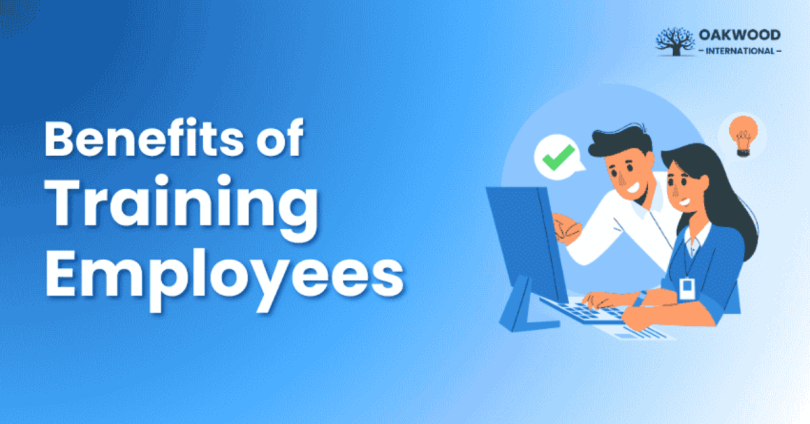
Employee training is the structured process of teaching employees the knowledge, skills, and behaviors needed to perform their jobs effectively.
Key Idea
It helps employees improve their performance, adapt to workplace changes, and contribute to organizational success.
Why Employee Training Matters in Today’s Workplace
Improving Performance
Training equips employees with the skills needed to perform tasks more efficiently and accurately.
Adapting to Change
As technology and business practices evolve, training helps employees stay current with new tools and processes.
Supporting Organizational Success
A well-trained workforce contributes to higher productivity, better quality, and improved customer satisfaction.
Who Benefits from Employee Training?
New Employees
To understand company policies, job responsibilities, and workplace expectations.
Existing Employees
To improve current skills and learn new competencies for career growth.
Managers and Leaders
To strengthen leadership, decision-making, and team management abilities.
Organizations
To increase productivity, employee engagement, and overall business performance.
What You Will Learn in This Guide
Employee Training Fundamentals
Learn what employee training is and why it is important.
Types of Training Programs
Explore different training methods and their applications.
Training Process and Best Practices
Understand how effective training programs are planned and delivered.
Career and Business Benefits
Discover how employee training supports professional growth and organizational success.
Understanding Employee Training
Definition of Employee Training
Meaning of Employee Training
Employee training is the planned process of teaching employees the knowledge, skills, and techniques required to perform their current job effectively.
Key Idea
It focuses on improving job performance, productivity, and workplace competence through structured learning.
Employee Training vs Employee Development
Employee Training
Employee training focuses on improving the skills and knowledge needed for an employee’s current role.
Employee Development
Employee development is a long-term process that prepares employees for future responsibilities, leadership roles, and career growth.
Key Difference
- Employee training = improves current job performance
- Employee development = prepares for future career opportunities
Importance of Continuous Learning
Ongoing Skill Improvement
Continuous learning means regularly updating knowledge and skills throughout an employee’s career.
Importance
It helps employees adapt to new technologies, industry trends, and changing workplace requirements.
Common Myths About Employee Training
Myth 1: Training Is Only for New Employees
Employees at every career stage benefit from continuous training and skill improvement.
Myth 2: Training Ends After Orientation
Learning should continue throughout an employee’s career to maintain performance and adaptability.
Myth 3: Training Is Only Classroom-Based
Training can take place through online courses, workshops, mentoring, coaching, and on-the-job experience.
Myth 4: Experienced Employees Don’t Need Training
Even experienced professionals need ongoing learning to stay updated with new tools, processes, and industry practices.
Myth 5: Training Is an Expense, Not an Investment
Effective training improves productivity, employee engagement, and long-term organizational success.
Importance of Employee Training
Improving Employee Performance
Better Job Skills
Employee training helps individuals develop the knowledge and skills needed to perform their duties more effectively.
Importance
Improved performance leads to higher quality work and greater confidence in job responsibilities.
Increasing Workplace Productivit
Efficient Work Processes
Training teaches employees better methods, tools, and techniques to complete tasks.
Importance
Higher productivity helps organizations achieve goals more efficiently and make better use of resources.
Enhancing Employee Engagement
Greater Involvement
Employees who receive regular training often feel more valued and motivated to contribute.
Importance
Higher engagement improves job satisfaction, teamwork, and overall workplace morale.
Reducing Workplace Errors
Improving Accuracy
Training helps employees understand correct procedures, safety standards, and best practices.
Importance
Fewer mistakes reduce costs, improve quality, and increase customer satisfaction.
Supporting Business Growth
Building Organizational Capability
A skilled workforce enables businesses to expand, innovate, and respond to market changes.
Importance
Employee development supports long-term organizational success and competitiveness.
Improving Employee Retention
Encouraging Career Growth
Training provides opportunities for employees to learn and advance within the organization.
Importance
Employees who see opportunities for development are more likely to remain with the company.
Types of Employee Training
Different Learning Approaches
Organizations use various training methods to meet different learning and business needs.
Common Types
- Onboarding training
- Technical skills training
- Soft skills training
- Compliance training
- Leadership and management training
- Safety training
- Product and customer service training
Importance
Choosing the right type of training helps employees develop the skills needed for their roles while supporting organizational goals.
Types of Employee Training
Onboarding Training
Introducing New Employees
Onboarding training helps new employees understand the organization’s culture, policies, procedures, and job responsibilities.
Importance
It enables employees to adapt quickly and become productive in their new roles.
Technical Skills Training
Job-Specific Learning
Technical skills training focuses on developing the knowledge and practical abilities required for specific job functions.
Importance
It improves job performance, efficiency, and technical competence.
Soft Skills Training
Workplace Behavior and Communication
Soft skills training develops interpersonal abilities such as communication, teamwork, leadership, and problem-solving.
Importance
It enhances collaboration, customer interactions, and overall workplace effectiveness.
Compliance Training
Meeting Legal and Company Standards
Compliance training teaches employees about workplace laws, regulations, company policies, and ethical standards.
Importance
It helps reduce legal risks and ensures employees follow required procedures.
Leadership Training
Developing Future Leaders
Leadership training prepares employees to manage teams, make decisions, and guide organizational success.
Importance
It builds strong leadership capabilities and supports succession planning.
Diversity and Inclusion Training
Creating an Inclusive Workplace
Diversity and inclusion training promotes respect, equal opportunity, and collaboration among employees from different backgrounds.
Importance
It helps build a positive workplace culture and supports fair and inclusive practices.
Safety Training
Protecting Employees
Safety training teaches employees how to identify hazards, follow safety procedures, and respond to emergencies.
Importance
It reduces workplace accidents, protects employee well-being, and supports compliance with safety standards.
Employee Training Process
Step 1: Identify Training Needs
Understanding Skill Gaps
This step involves analyzing employees’ current skills and comparing them with job requirements.
Importance
It ensures training is focused on real performance gaps and organizational needs.
Step 2: Set Learning Objectives
Defining Clear Goals
Learning objectives outline what employees should know or be able to do after training.
Importance
Clear objectives make training structured, focused, and measurable.
Step 3: Design the Training Program
Planning the Content and Method
This step includes selecting training methods, materials, and delivery formats.
Importance
A well-designed program ensures effective learning and better engagement.
Step 4: Deliver the Training
Conducting the Training Session
Training is delivered through workshops, online courses, mentoring, or on-the-job learning.
Importance
Effective delivery helps employees understand and apply new skills.
Step 5: Evaluate Training Effectiveness
Measuring Results
This involves assessing whether training goals were achieved through tests, feedback, or performance improvement.
Importance
Evaluation helps determine the success of the training program.
Step 6: Provide Continuous Learning Opportunities
Ongoing Development
Employees are given further learning opportunities to enhance and update their skills.
Importance
Continuous learning ensures long-term growth and adaptability in the workplace.
Employee Training Methods
Instructor-Led Training
Classroom-Based Learning
Instructor-led training is delivered by a trainer in a structured classroom or virtual setting.
Importance
It allows direct interaction, immediate feedback, and clear explanations of concepts.
Online Learning
Digital Training Platforms
Online learning uses e-learning platforms, videos, and virtual courses to deliver training.
Importance
It is flexible, cost-effective, and accessible from anywhere.
On-the-Job Training
Learning While Working
Employees learn new skills by performing tasks directly in the workplace under supervision.
Importance
It provides practical experience and faster skill development.
Workshops and Seminars
Interactive Learning Sessions
Workshops and seminars focus on group activities, discussions, and expert presentations.
Importance
They encourage active participation and knowledge sharing among employees.
Mentoring and Coaching
Guidance from Experienced Professionals
Mentoring and coaching involve learning from senior employees or experts who provide support and advice.
Importance
It helps employees grow faster through personalized guidance and feedback.
Simulation-Based Training
Real-Life Practice Environment
Simulation training uses realistic scenarios to help employees practice skills safely.
Importance
It improves decision-making and prepares employees for real workplace situations.
Building an Effective Employee Training Program
Conducting a Skills Gap Analysis
Identifying Missing Skills
Skills gap analysis compares employees’ current abilities with the skills required for their roles.
Importance
It ensures training is focused on actual needs rather than general assumptions.
Creating Personalized Learning Plans
Tailored Development Paths
Personalized learning plans are customized training roadmaps based on each employee’s role and skill level.
Importance
They improve learning effectiveness and employee engagement.
Choosing the Right Training Tools
Selecting Learning Platforms
Training tools include LMS platforms, e-learning software, videos, and interactive tools.
Importance
The right tools make training more accessible, efficient, and engaging.
Developing Engaging Learning Materials
Creating Effective Content
This includes presentations, videos, case studies, quizzes, and real-life examples.
Importance
Engaging materials improve understanding and knowledge retention.
Measuring Training Success
Evaluating Results
Training success is measured through assessments, feedback, and performance improvements.
Importance
It helps organizations determ
Essential Skills to Develop Through Employee Training
Communication Skills
Effective Workplace Interaction
Communication skills involve speaking, writing, and listening clearly in a professional environment.
Importance
They improve teamwork, reduce misunderstandings, and enhance workplace efficiency.
Leadership Skills
Guiding and Managing Others
Leadership skills include decision-making, motivation, and team management abilities.
Importance
They prepare employees for supervisory and managerial roles.
Teamwork and Collaboration
Working Effectively with Others
Teamwork involves cooperating with colleagues to achieve shared goals.
Importance
It increases productivity and creates a positive work environment.
You may also like to read these posts:
Artificial Intelligence: Shaping the Future of Humanity
Understanding Machine Learning and Its Real-World Applications
Understanding Data Science and Its Real-World Applications
Problem-Solving Skills
Handling Workplace Challenges
Problem-solving skills involve identifying issues and finding effective solutions.
Importance
They improve performance and help maintain smooth workflow.
Time Management
Using Time Efficiently
Time management involves prioritizing tasks and completing work within deadlines.
Importance
It increases productivity and reduces workplace stress.
Adaptability and Flexibility
Adjusting to Change
Adaptability is the ability to handle new situations, roles, and technologies effectively.
Importance
It helps employees stay relevant in a changing work environment.
Technical Skills
Job-Specific Expertise
Technical skills include the knowledge and ability required to perform specific job tasks.
Importance
They ensure employees can perform their roles efficiently and accurately.
Employee Training for Different Career Levels
New Employees
Starting Strong
Training for new employees focuses on onboarding, company policies, job roles, and basic skills required for the position.
Importance
It helps new hires adapt quickly and become productive in the workplace.
Mid-Level Employees
Skill Enhancement and Growth
Mid-level training focuses on advanced skills, performance improvement, and role expansion.
Importance
It prepares employees for higher responsibilities and career advancement.
Senior Professionals
Advanced Expertise Development
Training for senior professionals focuses on strategic thinking, innovation, and industry leadership skills.
Importance
It helps them stay updated and contribute to organizational decision-making.
Managers and Team Leaders
Leadership and Management Skills
This training includes team management, decision-making, conflict resolution, and performance evaluation.
Importance
It improves leadership effectiveness and team productivity.
Remote Employees
Virtual Work Skills
Remote training focuses on digital tools, communication platforms, and self-management skills.
Faqs:
What is employee training in simple words?
Employee training is the process of teaching employees the skills, knowledge, and abilities they need to perform their jobs effectively.
Why is employee training important?
It improves employee performance, increases productivity, reduces mistakes, and helps organizations grow successfully.
What are the main types of employee training?
Main types include onboarding, technical skills training, soft skills training, compliance training, and leadership training.
How does employee training benefit companies?
It helps companies build a skilled workforce, improve efficiency, increase employee retention, and enhance customer satisfaction.
How often should employee training be conducted?
Employee training should be continuous, with regular sessions based on skill needs, job roles, and industry changes.
Conclusion
Employee training is a key factor in building a strong, skilled, and productive workforce. It helps employees improve their performance, gain confidence, and stay updated with the latest industry knowledge and skills.
For organizations, investing in employee training leads to better productivity, higher employee satisfaction, and long-term business success. It also reduces errors and improves overall workplace efficiency.
In today’s competitive environment, continuous learning is essential. By regularly training employees and supporting their development, companies can create a motivated team that drives growth and achieves long-term goals.