
What Is a Resume and Why It Matters
Definition of a Resume
A resume is a formal document that summarizes your education, skills, work experience, and achievements.
Why It Matters
It is often the first impression you make on an employer and helps determine whether you get selected for an interview.
The Role of a Resume in Modern Hiring (2026)
Digital First Impression
In 2026, most hiring processes are digital, and resumes are reviewed through online platforms and Applicant Tracking Systems (ATS).
Key Function
A resume helps employers quickly understand your suitability for a role.
Importance
A strong resume increases your chances of being noticed in a highly competitive job market.
How Recruiters Evaluate a Resume in Seconds
Quick Scanning
Recruiters usually spend only a few seconds initially scanning a resume.
What They Look For
- Relevant skills
- Work experience
- Education background
- Clear formatting and structure
Decision Factor
If the resume is unclear or unorganized, it is often rejected quickly.
What This Ultimate Guide Will Cover
Resume Basics
You will learn what a resume is and why it is important.
Structure and Format
How to organize different sections effectively.
Writing Strong Content
How to highlight skills, experience, and achievements.
ATS Optimization
How to make your resume compatible with automated systems.
Common Mistakes
What to avoid when creating a professional resume.
Deep Understanding of Resume Building
What Resume Building Really Means
Meaning of Resume Building
Resume building is the process of creating and continuously improving a document that clearly presents your skills, experience, education, and achievements.
Key Idea
It is not just writing a document once, but regularly updating it to match your career goals and job requirements.
Resume vs CV vs Portfolio
Resume
A resume is a concise document (usually 1–2 pages) that highlights relevant skills, experience, and achievements for a specific job.
CV (Curriculum Vitae)
A CV is a detailed document that includes your full academic and professional history, often used in research, academia, or international applications.
Portfolio
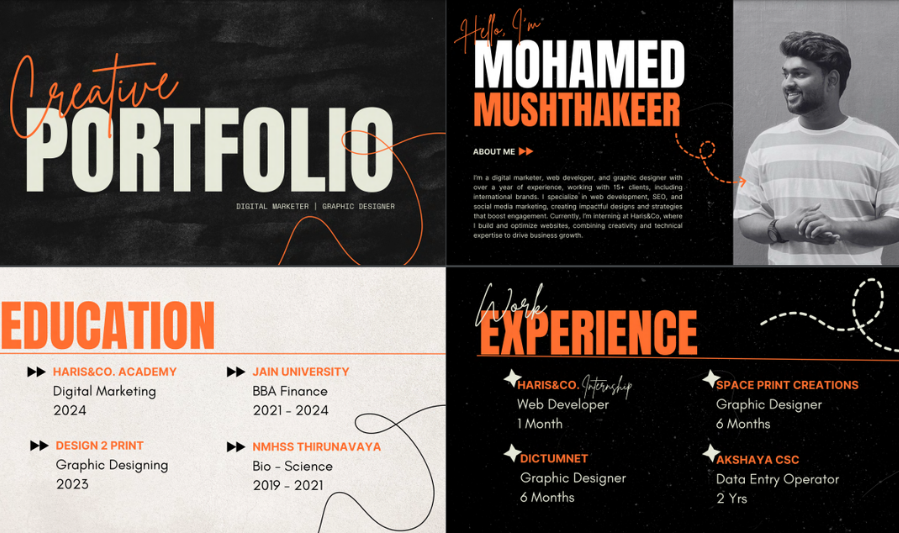
A portfolio is a collection of real work samples that demonstrate your skills, such as designs, writing samples, projects, or case studies.
Key Difference
- Resume = Short summary for jobs
- CV = Detailed career record
- Portfolio = Proof of work and skills
Evolution of Resumes in the Digital Age
Traditional Resumes
Earlier resumes were printed documents focused mainly on education and job history.
Digital Transformation
Today, resumes are created and submitted online through job portals, emails, and professional platforms.
Modern Features
- Keyword optimization
- Linked profiles (like LinkedIn)
- Digital portfolios and links
- ATS-friendly formatting
How Hiring Has Changed (ATS, AI Screening)
Applicant Tracking Systems (ATS)
ATS are software tools used by companies to scan, filter, and rank resumes before a human recruiter reviews them.
AI Screening
Some companies now use AI to analyze resumes for skills, experience, and job fit automatically.
Impact on Job Seekers
- Use of keywords is very important
- Simple formatting improves readability
- Relevant experience must be clearly highlighted
Key Insight
In modern hiring, resumes must be designed for both machines (ATS) and humans (recruiters).
Psychology of Hiring and Resume Impact
Quick Judgment Process
Recruiters often form an initial impression of a resume within 6–10 seconds of viewing it.
What Influences First Impression
- Clean and professional layout
- Clear job title and experience
- Easy-to-read structure
- Relevant keywords for the role
Importance
If the first impression is weak, the resume may not be read further in detail.
Cognitive Bias in Recruitment
Meaning of Cognitive Bias
Cognitive bias refers to unconscious mental shortcuts that affect how recruiters evaluate candidates.
Common Biases
- Halo effect: One strong skill influences overall judgment
- Similarity bias: Preference for candidates similar to the recruiter
- Confirmation bias: Focusing on information that supports initial impressions
Impact
Bias can affect fairness and lead to subjective hiring decisions.
What Recruiters Look for Instantly
Key Elements
- Job title and relevant experience
- Key skills matching the job description
- Education and qualifications
- Career progression and stability
- Clear and professional formatting
Why It Matters
Recruiters quickly scan for relevance to decide whether to continue reading.
Why Most Resumes Get Rejected
Common Reasons
- Lack of relevant skills or experience
- Poor formatting and readability
- Spelling and grammatical mistakes
- Missing keywords for ATS systems
- Unclear or vague job descriptions
Key Insight
Most resumes are rejected not because candidates are unqualified, but because the resume does not clearly communicate their value.
Types of Resumes in Detail
Chronological Resume (When to Use It)
Definition
A chronological resume lists your work experience in reverse order, starting with your most recent job.
When to Use It
- You have a strong and consistent work history
- You are applying for a job in the same field
- You have no major career gaps
Key Focus
- Work experience timeline
- Job titles and responsibilities
- Career progression
Functional Resume (Skill-Based Approach)
Definition
A functional resume focuses on your skills and abilities rather than your work history.
When to Use It
- You are changing careers
- You have gaps in employment
- You have limited work experience
Key Focus
- Skills and competencies
- Achievements based on abilities
- Less emphasis on job timeline
Combination Resume (Best of Both Worlds)
Definition
A combination resume blends both chronological and functional formats.
When to Use It
- You have strong skills and solid work experience
- You want to highlight both abilities and career history
Key Focus
- Skills section + work experience section
- Balanced presentation of capabilities and timeline
Targeted Resume (Job-Specific Strategy)
Definition
A targeted resume is customized specifically for a single job or company.
When to Use It
- Applying for a specific role
- Competing in a competitive job market
Key Focus
- Keywords from job description
- Relevant skills and experience only
- Highly tailored content
Modern Digital Resume (LinkedIn + Portfolio-Based)
Definition
A modern digital resume combines traditional resumes with online profiles and digital portfolios.
When to Use It
- Applying in tech, design, marketing, or creative fields
- Building a strong online presence
Key Focus
- LinkedIn profile optimization
- Online portfolio or website
- Digital proof of skills and projects
Header Section (Name, Contact, Links)
Purpose
The header introduces who you are and how employers can contact you.
Key Elements
- Full name
- Phone number
- Professional email address
- Location (optional)
- LinkedIn profile or portfolio link
Importance
It creates the first impression and ensures easy communication.
Professional Summary vs Objective (Difference & Usage)
Professional Summary
A short paragraph highlighting your experience, key skills, and achievements.
Objective Statement
A brief statement explaining your career goals and what you aim to achieve.
Key Difference
- Summary = Focus on experience and value
- Objective = Focus on future goals
When to Use
- Summary: Experienced professionals
- Objective: Students or fresh candidates
Core Competencies Section
Purpose
This section highlights your strongest skills in a quick, scannable format.
Key Elements
- Industry-specific skills
- Technical abilities
- Key strengths relevant to the job
Importance
Helps recruiters quickly identify your suitability for the role.
Work Experience with Impact Statements
Purpose
Shows your previous job roles and achievements.
Impact Statements
Instead of listing duties, focus on results and achievements.
Example Style
- Increased sales by 20%
- Improved efficiency of a process
- Managed a team of X members
Importance
Demonstrates real value you delivered in previous roles.
You may also like to read these posts:
Artificial Intelligence: Shaping the Future of Humanity
Understanding Machine Learning and Its Real-World Applications
Understanding Data Science and Its Real-World Applications
Education Section Optimization
Purpose
Shows your academic background and qualifications.
Key Elements
- Degree or qualification
- Institution name
- Year of completion
- Relevant coursework (if needed)
Importance
Helps establish your foundational knowledge and credibility.
Skills Hierarchy (Hard vs Soft Skills)
Hard Skills
Technical or job-specific abilities (e.g., coding, accounting, design tools).
Soft Skills
Personal and interpersonal abilities (e.g., communication, teamwork, leadership).
Importance
A balanced mix of both increases employability.
Certifications and Online Learning
Purpose
Shows additional qualifications and continuous learning.
Key Elements
- Professional certifications
- Online courses (Coursera, Udemy, etc.)
- Workshops or training programs
Importance
Demonstrates skill development and commitment to growth.
Projects and Case Studies
Purpose
Highlights real work examples that prove your skills.
Key Elements
- Project title
- Objective and tools used
- Your role
- Results or outcomes
Importance
Gives employers practical evidence of your abilities.
Faqs:
What is resume building?
Resume building is the process of creating a professional document that highlights your skills, education, experience, and achievements for job applications.
What makes a strong resume?
A strong resume is clear, well-structured, error-free, and highlights relevant skills and achievements tailored to the job.
How long should a resume be?
A resume should ideally be 1 page for freshers and 1–2 pages for experienced professionals.
Do I need a different resume for each job?
Yes, tailoring your resume for each job increases your chances of passing ATS and getting interviews.
What skills should I include in my resume?
Include both technical skills (job-related) and soft skills like communication, teamwork, problem-solving, and time management.
Conclusion
A well-crafted resume is your gateway to career opportunities and professional growth. It is often the first impression you make on an employer, so it should clearly highlight your skills, experience, and achievements in a simple and impactful way.
By using the right format, adding relevant keywords, and focusing on measurable achievements, you can significantly improve your chances of getting selected for interviews. Remember, a strong resume is not just a document—it is your personal marketing tool.