
Introduction
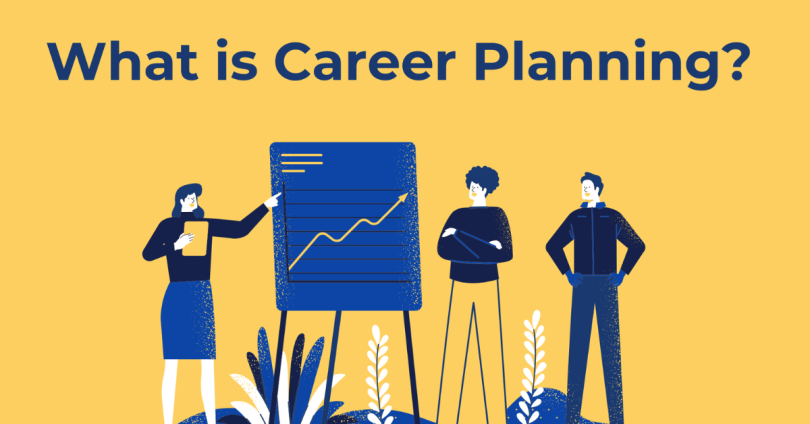
What Is Career Planning?
Definition of Career Planning
Career planning is the process of setting career goals and identifying the steps needed to achieve them over time.
Key Idea
It involves understanding your skills, interests, and opportunities to make informed decisions about your professional future.
Why Career Planning Matters Today

Better Direction
It helps you choose a clear path instead of randomly switching jobs or fields.
Improved Decision-Making
You can make smarter choices about education, skills, and job opportunities.
Higher Career Success
Planned careers often lead to better growth, stability, and satisfaction.
Who Needs Career Planning?
Students
To choose the right subjects, degrees, and future careers.
Job Seekers
To identify suitable roles and improve employability.
Professionals
To grow in their current field or switch to better opportunities.
Career Changers
To transition smoothly into a new industry or role.
What This Guide Will Cover
Understanding Career Basics
You will learn what career planning is and why it is important.
Self-Assessment
How to identify your skills, interests, and strengths.
Career Exploration
How to explore different career options and industries.
Goal Setting and Planning
How to set realistic short-term and long-term career goals.
Action Plan Development
How to create a step-by-step roadmap for career success.
Understanding Career Planning
Definition of Career Planning
Meaning of Career Planning
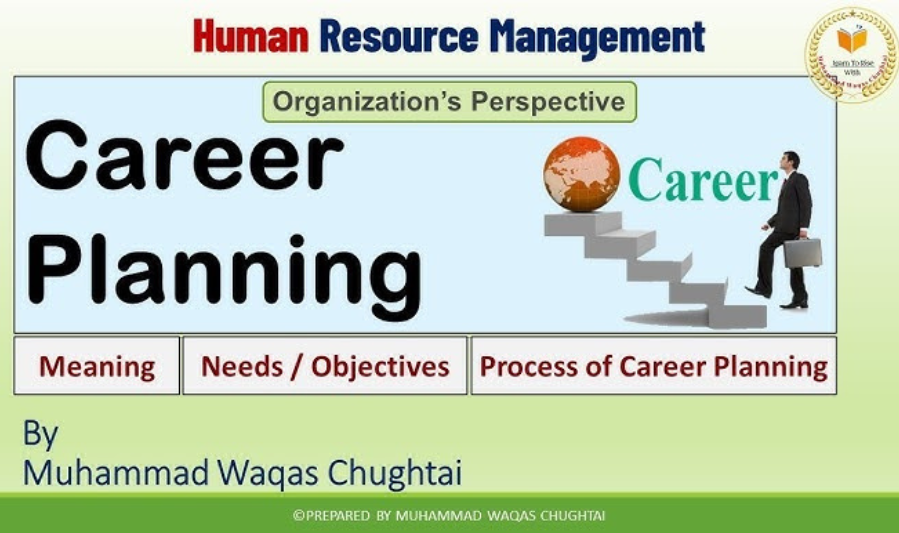
Career planning is the continuous process of identifying your career goals and deciding the steps needed to achieve them.
Key Idea
It helps you align your education, skills, and experiences with your long-term professional goals.
Career Planning vs Career Guidance
Career Planning
Career planning is a personal and ongoing process where you take responsibility for setting and achieving your career goals.
Career Guidance
Career guidance is support or advice provided by counselors, teachers, or mentors to help you make informed career decisions.
Key Difference
- Career planning = self-driven process
- Career guidance = external support and advice
Career Planning vs Career Development
Career Planning
Focuses on deciding what you want to achieve in your career and how to get there.
Career Development
Focuses on the actual growth and progress you make through skills, experience, and learning over time.
Key Difference
- Career planning = deciding direction
- Career development = building progress
Importance of Long-Term Career Thinking
Clear Future Direction
Long-term thinking helps you avoid confusion and stay focused on meaningful goals.
Better Skill Building
It allows you to choose skills that will remain useful in the future.
Improved Decision-Making
You can make smarter choices about education, jobs, and career changes.
The Importance of Career Planning
For Students
Clear Career Direction
Career planning helps students choose the right subjects, degrees, and career paths early.
Better Academic Focus
Students can study with clear goals instead of random learning.
Reduced Confusion
It helps avoid wrong choices that may waste time and effort later.
For Job Seekers
Improved Job Selection
Career planning helps identify suitable roles based on skills and interests.
Stronger Employability
It guides job seekers to develop in-demand skills.
Faster Career Entry
Clear planning reduces delays in finding the right job.
For Working Professionals
Career Growth Opportunities
It helps professionals plan promotions and skill upgrades.
Better Skill Development
Professionals can focus on improving relevant and advanced skills.
Job Satisfaction
Clear career direction increases motivation and satisfaction at work.
For Career Changers
Smooth Transition
Career planning helps shift from one field to another in an organized way.
Skill Gap Identification
It shows what new skills are needed for the new career path.
Reduced Risk
Planning lowers the chances of failure during career change.
For Entrepreneurs
Business Direction
Career planning helps entrepreneurs choose the right business idea and strategy.
Risk Management
It supports better decision-making and reduces business risks.
Long-Term Growth
Planned actions improve chances of business success and expansion.
For Long-Term Financial Stability
Steady Income Growth
Career planning helps build a stable and increasing income over time.
Better Financial Decisions
It encourages investing in the right education and skills.
Future Security
A planned career reduces financial uncertainty and improves long-term stability.
Self-Assessment in Career Planning
Identifying Interests
Understanding What You Enjoy
Interests refer to the activities and subjects you naturally enjoy doing.
Why It Matters
Choosing a career aligned with your interests increases motivation and long-term satisfaction.
Understanding Strengths and Weaknesses
Strengths
These are the skills and abilities you perform well, such as communication, problem-solving, or technical skills.
Weaknesses
These are areas where you may struggle or need improvement.
Importance
Knowing both helps you choose realistic career paths and improve your overall performance.
Personality Types and Career Fit
Personality and Work Style
Your personality affects how you interact, make decisions, and handle work environments.
Career Matching
Certain careers suit introverts, extroverts, analytical thinkers, or creative individuals.
Importance
Matching personality with career improves job satisfaction and productivity.
Skills Assessment
What It Means
Skills assessment is the process of identifying what you can currently do well.
Types of Skills
- Technical skills
- Communication skills
- Problem-solving skills
- Leadership skills
Importance
It helps you understand your current ability level and what you need to improve.
Values and Motivation
Personal Values
Values are what you consider important, such as money, stability, creativity, or helping others.
Motivation
Motivation is what drives you to achieve your goals.
Importance
A career aligned with your values and motivation leads to long-term fulfillment.
Career Aptitude Tests
What They Are
Aptitude tests are assessments designed to measure your natural abilities and potential.
What They Measure
- Logical reasoning
- Numerical ability
- Verbal skills
- Spatial awareness
Importance
They help guide you toward careers that match your strengths and potential.
Exploring Career Options
Researching Different Career Fields
Understanding Available Fields
Career fields include areas like healthcare, engineering, business, IT, education, and creative industries.
Why Research Matters
It helps you understand what each field offers before making a decision.
Key Focus
- Work environment
- Daily tasks
- Required skills
Understanding Job Roles and Responsibilities
What Job Roles Mean
A job role defines what a person does in a specific position.
Why It Is Important
It helps you understand daily responsibilities and expectations.
Key Focus
- Tasks involved in the job
- Level of responsibility
- Required skills and tools
Industry Demand and Growth Trends
Meaning of Demand
Demand refers to how many job opportunities exist in a particular field.
Growth Trends
Some industries grow faster due to technology, population needs, or economic changes.
Importance
Choosing a growing industry increases job opportunities and stability.
Salary Expectations
What Salary Means
Salary is the income earned from a job or profession.
Why It Matters
It helps you understand financial potential in different careers.
Key Focus
- Entry-level pay
- Mid-career earnings
- Long-term income growth
Education Requirements
Academic Needs
Different careers require different levels of education such as diplomas, degrees, or certifications.
Importance
Knowing requirements helps you plan your studies properly.
Key Focus
- Minimum qualifications
- Specialized training
- Professional certifications
Future Job Market Trends
Changing Job Market
The job market changes due to technology, automation, and global needs.
Emerging Careers
New fields like artificial intelligence, digital marketing, and renewable energy are growing.
Setting Career Goals
Short-Term Goals
Immediate Focus
Short-term goals are objectives you want to achieve in the near future, usually within days, months, or up to one year.
Purpose
They help build momentum and create small steps toward bigger career plans.
Examples
- Completing a course or certification
- Improving a specific skill
- Preparing a resume or portfolio
Mid-Term Goals
Intermediate Progress
Mid-term goals usually take one to five years to achieve.
Purpose
They connect short-term actions with long-term career plans.
Examples
- Getting an entry-level job in your field
- Gaining work experience
- Building a professional network
Long-Term Goals
Future Vision
Long-term goals are major career achievements planned over five or more years.
Purpose
They define your overall career direction and success.
Examples
- Becoming a senior professional or manager
- Starting a business
- Becoming an expert in your field
You may also like to read these posts:
Artificial Intelligence: Shaping the Future of Humanity
Understanding Machine Learning and Its Real-World Applications
Understanding Data Science and Its Real-World Applications
SMART Goal Setting
What SMART Means
SMART is a method for setting clear and achievable goals.
Components
- Specific: Clearly defined goal
- Measurable: Progress can be tracked
- Achievable: Realistic and possible
- Relevant: Connected to your career path
- Time-bound: Has a deadline
Importance
SMART goals improve focus, clarity, and success rate.
Aligning Goals with Personal Interests
Personal Alignment
Career goals should match your interests, strengths, and values.
Why It Matters
When goals match your interests, motivation and consistency increase.
Key Focus
- Choose goals you enjoy working toward
- Avoid careers that conflict with your values
- Stay motivated through personal interest alignment
Career Planning Process
Step 1: Self-Discovery
Understanding Yourself
Self-discovery is the process of identifying your interests, strengths, weaknesses, values, and personality traits.
Importance
It helps you choose a career path that matches your natural abilities and motivations.
Step 2: Career Research
Exploring Options
Career research involves learning about different fields, job roles, and industries.
Importance
It helps you understand what careers are available and which ones suit you best.
Step 3: Skill Gap Analysis
Identifying Gaps
Skill gap analysis means comparing your current skills with the skills required for your desired career.
Importance
It shows what you need to learn or improve.
Step 4: Education and Training Planning
Learning Requirements
This step focuses on selecting the right education, courses, or certifications.
Importance
It ensures you gain the qualifications needed for your career goals.
Step 5: Experience Building
Gaining Practical Exposure
Experience building involves internships, volunteering, part-time jobs, or projects.
Importance
It helps you apply knowledge in real situations and build confidence.
Step 6: Career Action Plan
Creating a Roadmap
A career action plan is a step-by-step strategy to achieve your goals.
Importance
It keeps you focused and organized toward your career objectives.
Step 7: Regular Review and Adjustment
Continuous Improvement
This step involves reviewing your progress and making changes when needed.
Importance
It helps you stay updated with changing goals and market conditions.
Skills Needed for Career Success
Core Skills
- Communication skills
- Problem-solving skills
- Time management
- Critical thinking
- Adaptability
- Teamwork
- Digital literacy
Importance
These skills help you perform better in any career and adapt to new challenges.
Faqs:
What is career planning in simple words?
Career planning means setting career goals and deciding the steps needed to achieve a successful professional future.
Why is career planning important?Why is career planning important?
It helps you choose the right career path, avoid confusion, set clear goals, and achieve long-term success.
When should I start career planning?
You should start career planning as early as possible, ideally during school or college, but it is never too late.
How do I choose the right career?
You can choose the right career by understanding your interests, skills, strengths, and researching job opportunities.
Can I change my career later in life?
Yes, you can change your career anytime by learning new skills, gaining experience, and exploring new opportunities.
Conclusion
Career planning is an essential step toward building a successful and satisfying future. It helps you understand your strengths, explore the right opportunities, and make clear decisions instead of random choices.
By setting goals, developing skills, and staying informed about career trends, you can create a strong path toward long-term success. Remember, career planning is not a one-time task—it is a continuous process that grows as you learn and gain experience.
Start early, stay focused, and keep improving yourself. With the right planning and consistent effort, you can achieve a career that matches your interests, skills, and future goals.