

Introduction
What Is Personal Branding?
Definition of Personal Branding
Personal branding is the process of shaping how others perceive you based on your skills, values, personality, and professional presence.
Key Idea
It is how you present yourself consistently across your career, both online and offline, to build trust and recognition.
Why Personal Branding Matters in 2026

Digital First Impressions
In 2026, employers and clients often check online profiles before making decisions.
Career Differentiation
A strong personal brand helps you stand out in a competitive job market.
Trust and Credibility
People are more likely to work with individuals who have a clear and professional identity.
Opportunities Growth
A strong brand attracts jobs, collaborations, and business opportunities.
Who Needs Personal Branding?
Students
To build early career visibility and attract internships or scholarships.
Job Seekers
To stand out in competitive hiring processes.
Professionals
To grow in their careers and gain recognition in their industry.
Entrepreneurs
To attract clients, investors, and business partnerships.
What You Will Learn in This Guide
Understanding Personal Branding
Learn what personal branding is and why it matters.
Building Your Identity
How to define your skills, strengths, and professional image.
Online Presence
How to build and manage your digital identity effectively.
Career Growth Strategies
How personal branding helps you achieve long-term success.
Understanding Personal Branding
Definition of Personal Branding
Meaning of Personal Branding
Personal branding is the process of shaping how others perceive you based on your skills, values, experience, and online/offline presence.
Key Idea
It is about intentionally presenting yourself in a consistent and professional way to build trust and recognition.
Personal Brand vs Professional Reputation
Personal Brand
Your personal brand is how you want to be seen and how you actively present yourself.
Professional Reputation
Your reputation is how others actually perceive you based on your actions, behavior, and performance.
Key Difference
- Personal brand = intentional image you build
- Reputation = real perception others form over time
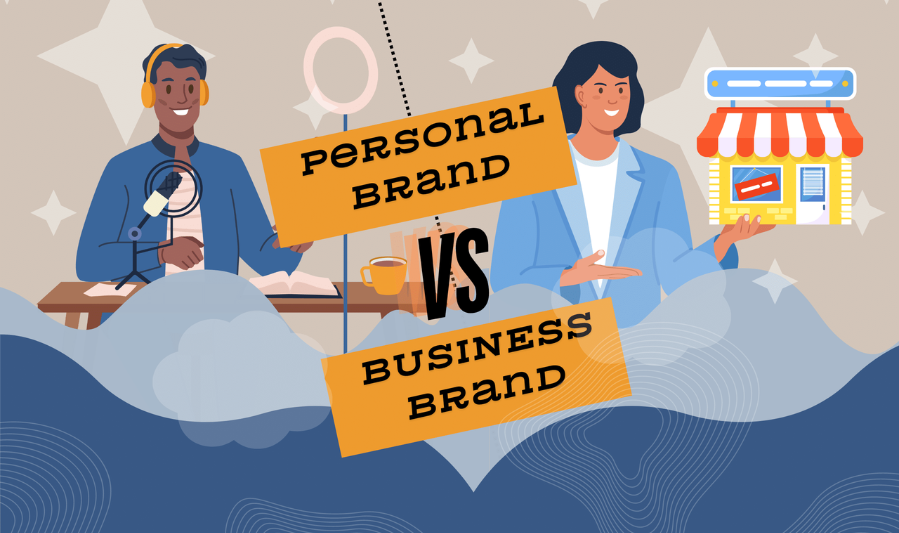
Personal Branding vs Corporate Branding
Personal Branding
Focuses on an individual’s identity, skills, values, and professional image.
Corporate Branding
Focuses on a company’s identity, mission, products, and market presence.
Key Difference
- Personal branding = individual identity
- Corporate branding = organization identity
Evolution of Personal Branding in the Digital Age
Traditional Era
Personal branding was mostly built through face-to-face interactions and word-of-mouth.
Digital Era
Social media, LinkedIn, and online portfolios now play a major role in shaping personal identity.
Modern Shift
- Online presence is now global
- Digital content influences career opportunities
- Personal visibility is more important than ever
Myths About Personal Branding
Myth 1: Personal Branding Is Only for Celebrities
Everyone has a personal brand, whether they build it intentionally or not.
Myth 2: It Means Being Fake
Personal branding is about authenticity, not pretending to be someone else.
Myth 3: Only Online Presence Matters
Offline behavior, communication, and professionalism are equally important.
Myth 4: It Happens Overnight
Strong personal branding takes time, consistency, and effort.
Myth 5: It’s Only for Marketing or Influencers
Personal branding is important for students, professionals, job seekers, and entrepreneurs alike.
Importance of Personal Branding
Career Growth Opportunities
Better Career Progression
A strong personal brand helps you stand out for promotions and leadership roles.
Increased Visibility
Professionals with a clear identity are more easily recognized in their field.
Job Market Advantage
Competitive Edge
Personal branding makes you more noticeable in a crowded job market.
Strong First Impression
Recruiters often review online profiles before interviews, and a strong brand improves chances of selection.
Freelancing and Business Growth
Attracting Clients
A well-built personal brand helps freelancers and entrepreneurs gain trust from potential clients.
Business Opportunities
It increases chances of partnerships, collaborations, and long-term business growth.
Building Trust and Credibility
Professional Reputation
A consistent personal brand builds reliability and trust over time.
Confidence in Your Skills
People are more likely to believe in your abilities when your brand is clear and consistent.
Networking and Influence
Stronger Connections
A recognizable personal brand makes networking easier and more effective.
Industry Influence
It helps you gain respect and influence within your professional community.
Long-Term Professional Success
Sustainable Growth
Personal branding supports continuous career development over time.
Core Elements of Personal Branding
Skills and Expertise
What You Can Do
Skills and expertise represent your abilities, knowledge, and professional strengths in a specific field.
Importance
They define your value and determine what opportunities you can qualify for.
Values and Beliefs
What You Stand For
Values and beliefs reflect your principles, ethics, and what matters most to you professionally.
Importance
They shape your decisions and help you attract like-minded opportunities and people.
Communication Style
How You Express Yourself
Communication style includes how you speak, write, and interact with others.
Importance
It influences how clearly and professionally others understand and perceive you.
Online Presence
Digital Identity
Online presence includes your profiles, posts, portfolios, and activity on platforms like LinkedIn and other professional networks.
Importance
It creates your first impression in the digital world and affects career opportunities.
Reputation and Trust
How Others See You
Reputation is the perception others have based on your actions, behavior, and performance.
Importance
Trust is built over time and is essential for long-term professional success.
Consistency Across Platforms
Unified Image
Consistency means presenting the same professional identity across all platforms and interactions.
Importance
It strengthens recognition, builds credibility, and avoids confusion about your personal brand.
Building a Strong Personal Brand Identity
Identifying Your Strengths
Knowing What You Do Best
Strengths are your natural talents, learned skills, and areas where you perform well.
Importance
Understanding your strengths helps you highlight what makes you valuable and different from others.
Defining Your Niche
Choosing Your Focus Area
A niche is a specific field or specialization where you want to build your expertise.
Importance
It helps you avoid being “too general” and makes your personal brand more clear and memorable.
Understanding Your Target Audience
Knowing Who You Want to Reach
Your target audience includes employers, clients, recruiters, or industry professionals you want to connect with.
Importance
It helps you tailor your message, skills, and content to the right people.
Creating a Unique Value Proposition
What Makes You Different
A unique value proposition explains what you offer, how you are different, and why someone should choose you.
Importance
It clearly communicates your professional value in a simple and powerful way.
Setting Career or Business Goals
Defining Your Direction
Career or business goals are the outcomes you want to achieve in the short and long term.
Importance
Clear goals guide your personal branding efforts and keep your growth focused and consistent.
Step-by-Step Personal Branding Process
Step 1: Self-Assessment
Understand Yourself
Self-assessment means identifying your strengths, weaknesses, skills, values, and interests.
Importance
It helps you build a personal brand that is authentic and aligned with your true abilities.
Step 2: Define Your Brand Message
Create a Clear Identity
Your brand message explains who you are, what you do, and what value you provide.
Importance
A clear message helps people quickly understand your professional identity.
Step 3: Build Online Presence
Establish Your Digital Identity
Create and optimize profiles on platforms like LinkedIn and other professional networks.
Importance
A strong online presence increases visibility and career opportunities.
Step 4: Create Content Strategy
Share Valuable Content
Content strategy involves posting or sharing useful information related to your field.
Importance
It positions you as knowledgeable and helps build credibility in your industry.
Step 5: Network with Industry Professionals
Build Meaningful Connections
Connect with professionals, mentors, and peers in your field.
Importance
Networking helps you learn, grow, and access new opportunities.
Step 6: Maintain Consistenc
Stay Uniform Across Platforms
Consistency means keeping your message, tone, and image aligned everywhere.
Importance
It builds trust, recognition, and a strong professional identity.
Step 7: Monitor and Improve Your Brand
Track Your Progress
Regularly review how others perceive you and update your brand as needed.
Online Personal Branding Strategy
LinkedIn Optimization
Professional Profile Setup
LinkedIn is a key platform for building a strong professional identity.
Key Focus
- Professional profile photo
- Strong headline and summary
- Detailed experience and skills
- Regular updates and activity
Importance
It increases visibility to recruiters, employers, and industry professionals.
Building a Personal Website or Portfolio
Digital Showcase
A personal website or portfolio highlights your work, achievements, and projects.
Key Focus
- About section
- Skills and experience
- Project samples or case studies
- Contact information
Importance
It gives full control over your personal brand and strengthens credibility.
Social Media Branding (Instagram, X, Facebook
Professional Online Identity
Social media platforms can be used to share knowledge and build your reputation.
Key Focus
- Professional content sharing
- Consistent tone and image
- Industry-related engagement
- Avoiding unprofessional posts
Importance
It helps expand reach and build a recognizable personal identity online.
Content Creation Strategy
Sharing Value
Content creation involves posting useful information, insights, or experiences related to your field.
Key Focus
- Educational posts
- Industry insights
- Personal experiences
- Career tips or case studies
Importance
It builds authority and positions you as an expert in your field.
You may also like to read these posts:
Artificial Intelligence: Shaping the Future of Humanity
Understanding Machine Learning and Its Real-World Applications
Understanding Data Science and Its Real-World Applications
Engaging with Online Communities
Active Participation
Online communities include forums, groups, and professional networks.
Key Focus
- Answering questions
- Sharing knowledge
- Participating in discussions
- Supporting others
Importance
It increases visibility, builds relationships, and strengthens your professional reputation.
Content Creation for Personal Branding
Blogging and Article Writing
Written Expertise
Blogging and article writing involve sharing detailed knowledge, opinions, or guides on topics related to your field.
Importance
It helps you demonstrate expertise, improve credibility, and attract a professional audience.
Video Content (YouTube, Reels)
Visual Communication
Video content includes educational videos, tutorials, and short-form content on platforms like YouTube and social media.
Importance
It increases engagement, builds trust faster, and helps you connect with a wider audience.
Thought Leadership Posts
Industry Opinions and Insights
Thought leadership content focuses on sharing unique perspectives, ideas, and analysis about your industry.
Importance
It positions you as a knowledgeable and forward-thinking professional.
Case Studies and Success Stories
Real-Life Examples
Case studies showcase how you solved problems or achieved results in real situations.
Importance
They provide proof of your skills and make your personal brand more credible.
Sharing Knowledge and Insights
Helping Others Learn
This involves sharing tips, lessons, and useful information with your audience.
Importance
It builds trust, increases visibility, and strengthens your reputation as a helpful professional.
Personal Branding Through Networking
Building Professional Relationships
Creating Meaningful Connections
Building professional relationships involves connecting with people in your industry who share similar goals or interests.
Importance
Strong relationships help you gain visibility, support, and career opportunities over time.
Attending Industry Events
Real-World Exposure
Industry events include seminars, conferences, workshops, and meetups where professionals gather.
Importance
They help you meet experts, learn trends, and present your personal brand in a professional environment.
Connecting with Mentors
Learning from Experience
Mentors are experienced professionals who guide you in your career and personal growth.
Importance
They provide advice, feedback, and direction that strengthen your personal brand and decisions.
Collaboration Opportunities
Working with Others
Collaboration involves partnering with professionals on projects, content, or business activities.
Importance
It increases exposure, builds credibility, and expands your professional network.
Maintaining Long-Term Relationships
Staying Connected Over Time
Maintaining relationships means regularly communicating and supporting your professional network.
Faqs:
What is personal branding in simple words?
Personal branding is how you present yourself professionally and how others perceive your skills, values, and reputation.
Why is personal branding important?
It helps you stand out, build trust, attract job opportunities, and grow your career or business faster.
How do I start building my personal brand?
Start by identifying your strengths, creating a strong online presence, and sharing valuable content consistently.
Is personal branding only for influencers?
No, personal branding is important for students, job seekers, professionals, freelancers, and entrepreneurs.
How long does it take to build a personal brand?
Personal branding is a continuous process. It usually takes several months to years to build a strong and trusted personal brand, depending on your consistency, effort, and online presence.
Conclusion
Personal branding is a powerful tool for building your professional identity and standing out in today’s competitive world. It is not just about what you do, but how you present your skills, values, and personality to others.
By staying consistent, improving your skills, and maintaining a strong online presence, you can build trust and attract better career or business opportunities. Remember, your personal brand grows over time through your actions, communication, and reputation.
Start today, stay consistent, and focus on adding value—because a strong personal brand can open doors to long-term success and growth.