
Introduction
What Are Interview Skills?
Definition of Interview Skills
Interview skills are the abilities and techniques that help candidates communicate effectively, answer questions confidently, and create a positive impression during a job interview.
Key Idea
These skills include preparation, communication, problem-solving, confidence, and professionalism, all of which increase the chances of getting hired.
Why Interview Skills Matter
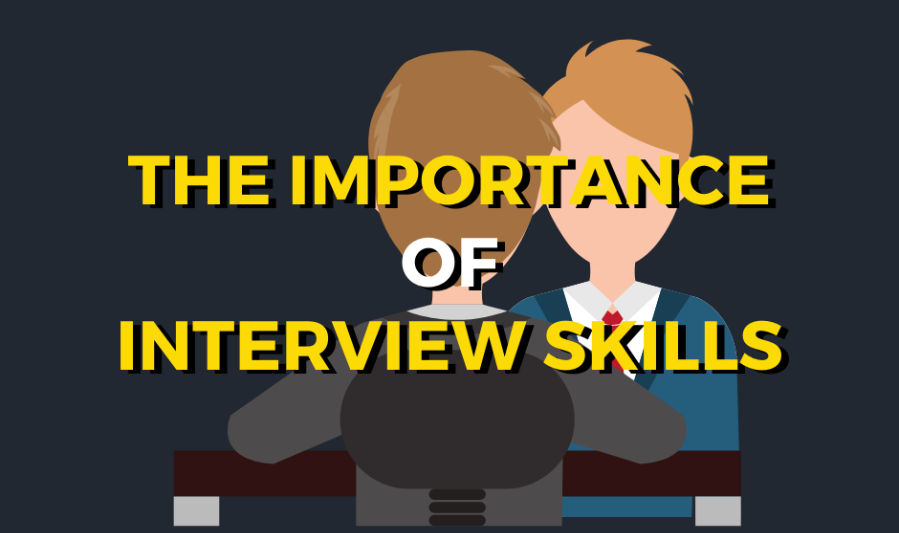
Create a Strong First Impression
Good interview skills help you appear confident, professional, and prepared from the beginning.
Showcase Your Qualifications
They allow you to present your skills, experience, and achievements clearly and effectively.
Improve Hiring Chances
Strong interview performance increases the likelihood of receiving a job offer.
Build Professional Confidence
Developing interview skills helps reduce nervousness and improves performance in future interviews.
What You’ll Learn in This Guide
Interview Fundamentals
Understand the purpose of interviews and what employers expect from candidates.
Preparation Strategies
Learn how to research companies, understand job descriptions, and prepare effectively.
Answering Interview Questions
Discover techniques for responding to common, behavioral, and technical interview questions.
Communication and Body Language
Learn how verbal and non-verbal communication influence interview success.
Post-Interview Best Practices
Understand how to follow up professionally and continue improving your interview skills.
Understanding Interview Skills
Definition of Interview Skills
Meaning of Interview Skills
Interview skills are the combination of communication, preparation, confidence, and professional behavior that help candidates perform effectively during job interviews.
Key Idea
These skills enable you to present your qualifications, answer questions clearly, and demonstrate your suitability for a role.
Why Employers Value Interview Skills
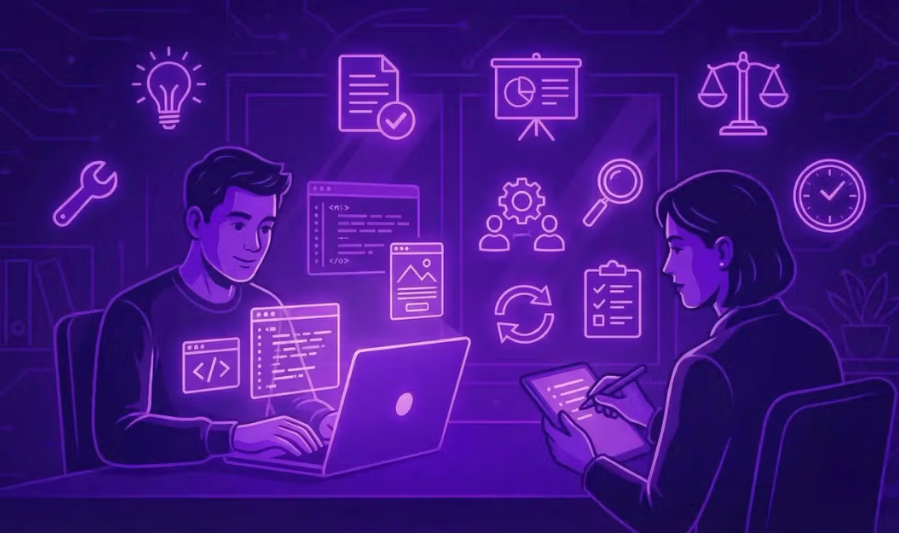
Assessing Job Readiness
Employers use interviews to evaluate whether candidates have the knowledge, skills, and attitude required for the position.
Evaluating Soft Skills
Interview performance reveals qualities such as communication, teamwork, problem-solving, and professionalism.
Measuring Cultural Fit
Employers also assess whether a candidate’s values and working style align with the organization’s culture.
Interview Skills vs Communication Skills
Interview Skills
Interview skills focus specifically on preparing for and succeeding in job interviews through effective responses, confidence, and professional conduct.
Communication Skills
Communication skills refer to the broader ability to express ideas clearly, listen actively, and interact effectively in different situations.
Key Difference
- Interview skills are job interview-specific.
- Communication skills are used in all personal and professional interactions.
Common Interview Myths
Myth 1: Employers Only Care About Qualifications
Employers evaluate both technical qualifications and interpersonal skills during interviews.
Myth 2: Memorizing Answers Guarantees Success
Over-rehearsed answers may sound unnatural; understanding the questions is more important.
Myth 3: Confidence Means Talking More
Effective interviews require clear, concise, and relevant answers—not excessive speaking.
Myth 4: There Is Always One Perfect Answer
Interviewers often value logical thinking, honesty, and problem-solving rather than a single “correct” response.
Importance of Interview Skills
Benefits for Students
Better Internship Opportunities
Strong interview skills help students secure internships and training programs.
Early Career Preparation
Students become familiar with professional hiring processes before entering the workforce.
Improved Communication
Interview practice strengthens speaking, listening, and presentation skills.
Benefits for Fresh Graduates
Increased Employability
Good interview skills help graduates stand out in a competitive job market.
Strong First Impression
Confidence and preparation make a positive impact on recruiters.
Higher Chances of Job Offers
Effective interviews improve the likelihood of being selected for entry-level positions.
Benefits for Experienced Professionals
Career Advancement
Interview skills help professionals compete for promotions and senior roles.
Successful Career Transitions
They make it easier to move into new industries or specialized positions.
Better Salary Negotiation
Confident communication supports discussions about compensation and benefits.
Career Growth Through Strong Interview Skills
More Career Opportunities
Strong interview performance opens doors to better jobs and leadership roles.
Professional Networking
Successful interviews help build relationships with recruiters and hiring managers.
Long-Term Career Success
Consistently strong interview skills contribute to ongoing professional development and career progression.
Building Professional Confidence
Reduced Interview Anxiety
Preparation and practice increase confidence before and during interviews.
Better Self-Presentation
Candidates learn to communicate their strengths and achievements effectively.
Positive Professional Image
Confident behavior creates a lasting impression and improves overall career prospects.
Types of Job Interviews
Phone Interviews
Purpose
Phone interviews are usually the first screening stage to assess your qualifications, communication skills, and interest in the role.
What to Expect
Recruiters ask basic questions about your background, experience, and availability before deciding whether to move you to the next stage.
Video Interviews
Purpose
Video interviews allow employers to evaluate candidates remotely while observing both communication skills and professional appearance.
What to Expect
Candidates answer interview questions through platforms like Zoom, Microsoft Teams, or Google Meet.
In-Person Interviews
Purpose
In-person interviews provide employers with a detailed assessment of your skills, personality, and overall suitability for the role.
What to Expect
You meet face-to-face with one or more interviewers and discuss your qualifications, experience, and career goals.
Panel Interviews
Purpose
Panel interviews involve multiple interviewers evaluating a candidate at the same time.
What to Expect
Different panel members ask questions related to technical skills, teamwork, leadership, and organizational fit.
Group Interviews
Purpose
Group interviews assess how candidates interact, communicate, and collaborate with others.
What to Expect
Several candidates participate together in discussions, activities, or problem-solving exercises.
Technical Interviews
Purpose
Technical interviews evaluate job-specific knowledge and practical skills.
What to Expect
Candidates may solve coding problems, technical questions, or practical tasks depending on the role.
Behavioral Interviews
Purpose
Behavioral interviews assess how you handled situations in the past to predict future job performance.
What to Expect
Interviewers ask questions about previous experiences involving teamwork, leadership, conflict resolution, and problem-solving.
Case Study Interviews
Purpose
Case study interviews evaluate analytical thinking, decision-making, and problem-solving abilities.
What to Expect
Candidates analyze a business or technical scenario, identify issues, and present logical solutions.
Essential Interview Skills
Communication Skills
Clear and Effective Expression
Communication skills help you explain your ideas, experiences, and qualifications in a clear and professional manner.
Importance
Strong communication creates a positive impression and helps interviewers understand your value.
Active Listening
Paying Full Attention
Active listening means carefully understanding the interviewer’s questions before responding.
Importance
It helps you provide relevant answers and avoid misunderstandings.
Verbal Communication
Speaking with Clarity
Verbal communication involves using clear language, an appropriate tone, and organized responses.
Importance
Well-structured answers demonstrate confidence and professionalism.
Non-Verbal Communication
Body Language and Presence
Non-verbal communication includes eye contact, posture, facial expressions, and gestures.
Importance
Positive body language supports your spoken answers and reflects confidence.
Confidence and Self-Presentation
Presenting Yourself Professionally
Confidence is demonstrated through your attitude, appearance, and ability to speak calmly about your skills and experience.
Importance
Confident candidates are often viewed as more capable and prepared.
Problem-Solving Skills
Finding Practical Solutions
Problem-solving skills help you explain how you approach challenges and resolve workplace issues.
Importance
Employers value candidates who can think logically and handle difficult situations effectively.
You may also like to read these posts:
Artificial Intelligence: Shaping the Future of Humanity
Understanding Machine Learning and Its Real-World Applications
Understanding Data Science and Its Real-World Applications
Critical Thinking
Making Logical Decisions
Critical thinking involves analyzing information, evaluating options, and making reasoned decisions.
Importance
It shows employers that you can approach problems objectively and make sound judgments.
Adaptability
Responding to Change
Adaptability is the ability to adjust to new situations, responsibilities, and work environments.
Importance
Flexible employees can learn quickly and perform well in changing conditions.
Emotional Intelligence
Understanding and Managing Emotions
Emotional intelligence is the ability to recognize, manage, and respond appropriately to your own emotions and those of others.
Preparing for a Job Interview
Research the Company
Learn About the Organization
Understand the company’s mission, values, products or services, and recent achievements.
Why It Matters
Company research helps you answer questions confidently and demonstrate genuine interest in the role.
Understand the Job Description
Review the Role Carefully
Read the job description to understand the responsibilities, required skills, and qualifications.
Why It Matters
Knowing what the employer expects helps you prepare relevant examples and answers.
Match Your Skills to the Role
Identify Relevant Qualifications
Compare your skills, experience, and achievements with the job requirements.
Why It Matters
Showing how your qualifications match the role increases your chances of success.
Prepare Your Resume
Review and Update Your Resume
Ensure your resume is accurate, up-to-date, and tailored to the position you are applying for.
Why It Matters
You should be ready to discuss every detail included in your resume during the interview.
Organize Important Documents
Gather Required Materials
Prepare all necessary documents before the interview.
Documents to Carry
- Updated resume
- Cover letter (if applicable)
- Educational certificates
- Professional certifications
- Portfolio or work samples
- Valid identification (if required)
Plan Your Interview Outfit
Dress Professionally
Choose clean, well-fitted, and appropriate clothing based on the company’s culture and the job role.
Why It Matters
Professional attire creates a positive first impression and reflects respect for the interview process.
Faqs:
What are interview skills?
Interview skills are the communication, confidence, and problem-solving abilities that help you perform well and make a positive impression during a job interview.
Why are interview skills important?
Interview skills help you communicate your qualifications effectively, answer questions confidently, and increase your chances of getting hired.
How can I improve my interview skills?
You can improve your interview skills by practicing common questions, researching the company, improving communication, and participating in mock interviews.
What is the STAR method in interviews?
The STAR method is a technique for answering behavioral interview questions by explaining the Situation, Task, Action, and Result of a real-life experience.
What should I avoid during a job interview?
Avoid arriving late, giving unclear answers, speaking negatively about previous employers, failing to research the company, and showing poor body language.
Conclusion
Interview skills are a key part of career success because they determine how effectively you can present your abilities to an employer. A strong resume may get you an interview, but your communication, confidence, and preparation decide whether you get the job.
By practicing common questions, improving your body language, and learning how to structure your answers, you can perform better in any interview situation. Preparation builds confidence, and confidence creates a strong impression.
Remember, every interview is a learning opportunity. With regular practice and the right mindset, you can improve your performance and increase your chances of success in your career journey.