
Introduction
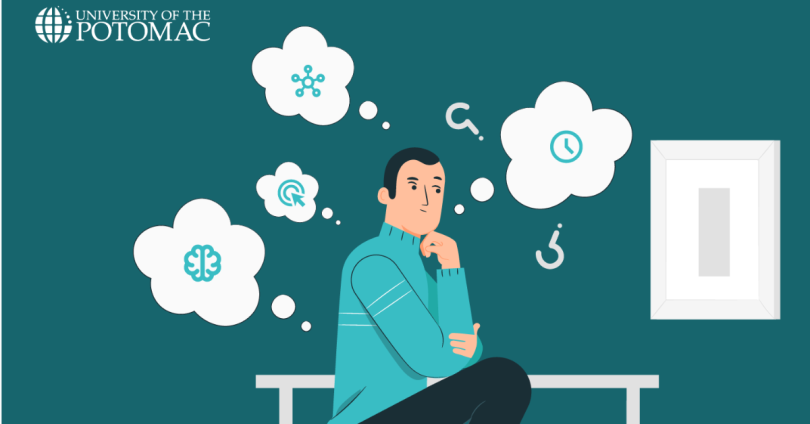
Critical thinking is the ability to analyze information objectively, evaluate evidence, identify biases, and make reasoned decisions. Rather than accepting ideas at face value, critical thinkers ask questions, examine facts, and consider multiple perspectives before reaching conclusions.
In today’s information-heavy world, critical thinking helps people separate fact from opinion, avoid misinformation, and make smarter decisions in daily life.
What Is Critical Thinking?
Definition of Critical Thinking
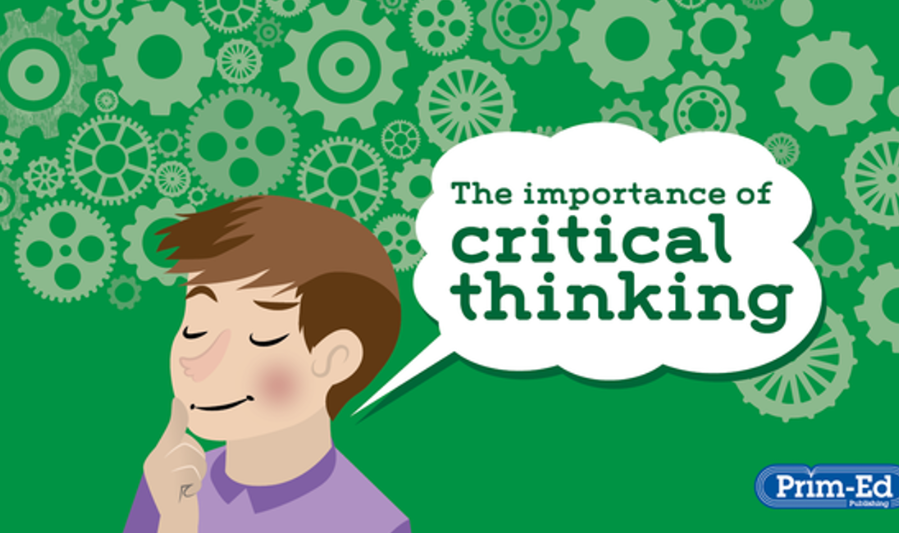
Critical thinking is a structured way of thinking that focuses on logic, evidence, and clarity rather than emotion or assumption.
Key Components of Critical Thinking
- Asking clear and relevant questions
- Analyzing facts and evidence
- Identifying assumptions and biases
- Evaluating different viewpoints
- Drawing logical conclusions
- Reflecting on one’s own thinking process
Critical thinking is not about being negative or overly critical; it is about being careful, fair, and rational in how you process information.
Why Everyone Needs Critical Thinking
Better Decision-Making
Critical thinking helps people compare options and choose the most reasonable solution instead of acting on impulse.
Protection from Misinformation
It allows individuals to recognize false claims, misleading headlines, and unreliable sources.
Stronger Problem-Solving Skills
By breaking problems into smaller parts, critical thinkers can find practical and effective solutions.
Improved Communication
It helps in expressing ideas clearly and understanding other perspectives without confusion or bias.
Academic and Career Success
Schools and workplaces value people who can think independently, analyze situations, and solve complex problems.
Key Takeaways from This Guide
Core Understanding
- Critical thinking is based on logic, evidence, and reasoning.
- It helps you move beyond assumptions and emotional reactions.
Practical Benefits
- Improves decision-making and problem-solving
- Reduces influence of misinformation
- Strengthens communication and reasoning skills
Long-Term Value
- Builds independent thinking habits
- Supports lifelong learning and adaptability
- Enhances both personal and professional growth
What Is Critical Thinking?
Definition
Critical thinking is the ability to think clearly, rationally, and independently by analyzing information, evaluating evidence, and forming well-reasoned judgments. It involves going beyond surface-level understanding and examining ideas in a structured and logical way.
The Meaning of Critical Thinking
Critical thinking means actively engaging with information rather than passively accepting it. It includes:
- Understanding what is being said or claimed
- Checking whether the information is supported by evidence
- Comparing different viewpoints
- Identifying assumptions, errors, or gaps in reasoning
- Making conclusions based on logic rather than emotion
In simple terms, it is “thinking about your thinking” to improve how you understand and decide things.
Why It Is Called “Critical” Thinking
The word “critical” does not mean negative judgment. Instead, it comes from the idea of careful evaluation and judgment.
It is called critical thinking because it involves:
- Critically examining ideas and arguments
- Questioning whether something is true or valid
- Assessing strengths and weaknesses of information
- Not accepting claims without evidence
So, “critical” here means careful, analytical, and reflective thinking, not criticism in a negative sense.
History and Origin of Critical Thinking
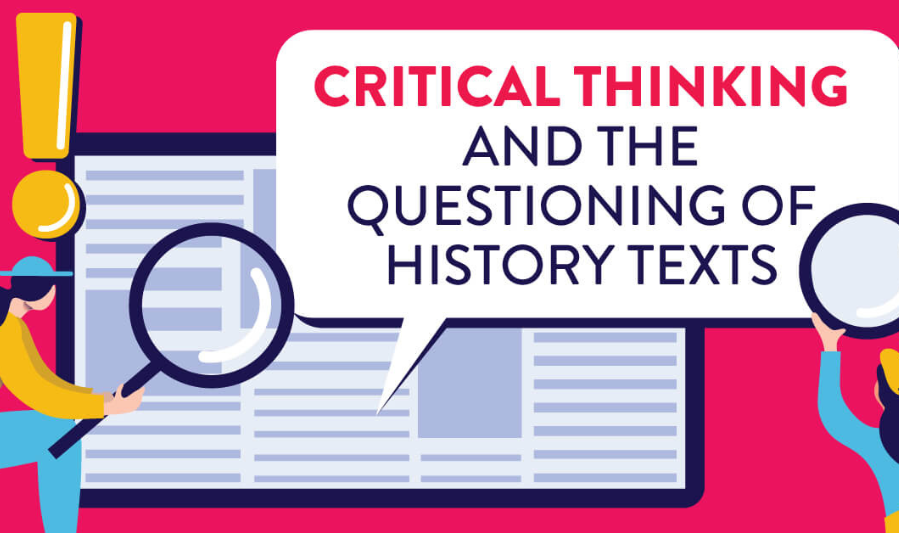
The roots of critical thinking go back to ancient philosophy.
- Socrates (470–399 BCE) is often considered one of the earliest figures associated with critical thinking. He used questioning (now called the Socratic Method) to challenge assumptions and encourage deeper understanding.
- Plato and Aristotle further developed logical reasoning and structured argumentation.
- In modern times, educators like John Dewey emphasized reflective thinking in education, calling it “active, persistent, and careful consideration.”
- Today, critical thinking is a core skill in education, science, business, and decision-making worldwide.
Common Misconceptions
1. Critical Thinking Means Being Negative
Many people think “critical” means finding faults. In reality, it means evaluating ideas fairly using logic and evidence.
2. It Means Being Highly Intelligent
Critical thinking is not about intelligence level; it is a skill that anyone can develop with practice.
3. It Is Just Overthinking
Critical thinking is structured and purposeful, not unnecessary worry or overthinking.
4. There Is Always One Right Answer
Critical thinking often involves comparing multiple perspectives and finding the most reasonable conclusion, not always a single absolute answer.
5. It Is Only for Students or Academics
Critical thinking is useful in everyday life—shopping decisions, news evaluation, workplace problems, and personal relationships.
The Importance of Critical Thinking
Personal Life
Better Everyday Decisions
Critical thinking helps you evaluate choices in daily life more carefully instead of reacting emotionally.
Improved Problem-Solving
It allows you to break down personal challenges and find practical solutions.
Protection from Misinformation
You become better at identifying misleading advice or false claims.
Academic Success
Deeper Understanding of Subjects
Instead of memorizing, students learn how concepts actually work.
Stronger Analytical Skills
It improves reading, writing, and research abilities.
Better Exam Performance
Critical thinking helps in answering questions more logically and accurately.
Career Development
Smarter Workplace Decisions
Employees can assess situations and choose the best course of action.
Strong Problem-Solving Ability
Helps in handling unexpected work challenges effectively.
Professional Growth
Critical thinkers are often more independent and reliable workers.
Business and Entrepreneurship
Better Business Decisions
Helps in evaluating risks, opportunities, and strategies.
Improved Planning
Supports clearer business goals and long-term strategies.
Innovation and Growth
Encourages creative and logical thinking for new ideas.
Leadership and Management
Effective Decision-Making
Leaders can make fair and balanced decisions based on facts.
Conflict Resolution
Helps in understanding different viewpoints and solving disputes.
Team Management
Improves communication and objective evaluation of performance.
Digital Literacy
Identifying Fake Information
Helps recognize fake news and misleading online content.
Evaluating Sources
Improves judgment of whether information is reliable or not.
Safe Online Behavior
Reduces risk of scams, manipulation, and false information online.
The Science Behind Critical Thinking
How the Brain Processes Information
Sensory Input and Perception
The brain first receives information through the senses and quickly forms initial impressions.
Pattern Recognition
It automatically tries to match new information with past experiences and known patterns.
Memory and Recall
The brain retrieves related knowledge from memory to help interpret new information.
Decision Formation
Finally, the brain combines all inputs to form judgments and decisions—sometimes quickly, sometimes after reflection.
Rational vs. Emotional Thinking
Emotional Thinking
- Fast and automatic
- Driven by feelings and instincts
- Useful for quick reactions (e.g., danger situations)
- More prone to bias and errors
Rational Thinking
- Slow and deliberate
- Based on evidence and logic
- Requires effort and focus
- Leads to more accurate and balanced decisions
Balance Between Both
Effective thinking often involves using emotion for awareness and rational thinking for final judgment.
Cognitive Psychology and Critical Thinking
Cognitive Biases
The mind often uses shortcuts (heuristics) that can lead to errors in judgment, such as confirmation bias or availability bias.
Attention and Focus
Critical thinking requires focused attention to avoid missing important details.
Metacognition
This is “thinking about thinking,” which helps people monitor and improve their reasoning process.
Learning and Understanding
Cognitive psychology shows that active engagement improves understanding and long-term memory.
The Role of Logic
What Logic Does
Logic provides structured rules for reasoning that help evaluate whether arguments are valid or not.
Types of Reasoning
- Deductive reasoning: Starts with general rules and applies them to specific cases
- Inductive reasoning: Builds general conclusions from specific observations
Importance in Critical Thinking
Logic helps ensure that conclusions follow evidence in a clear and consistent way, reducing errors caused by assumptions or emotions.
Principles of Critical Thinking
Clarity
Understanding Ideas Clearly
Clarity means expressing and understanding ideas in a simple and understandable way.
Key Focus
- Avoid confusion and vague statements
- Define terms properly
- Make meaning easy to follow
You may also like to read these posts;
Artificial Intelligence: Shaping the Future of Humanity
Understanding Machine Learning and Its Real-World Applications
Understanding Data Science and Its Real-World Applications
Accuracy
Ensuring Truthfulness
Accuracy means using information that is correct, factual, and verified.
Key Focus
- Check facts before accepting them
- Use reliable sources
- Avoid false or misleading information
Precision
Being Specific and Exact
Precision means providing detailed and exact information instead of general statements.
Key Focus
- Use clear numbers, examples, and details
- Avoid vague or broad claims
- Be specific in explanations
Relevance
Staying on Point
Relevance means focusing only on information that is directly related to the topic or problem.
Key Focus
- Avoid unnecessary details
- Stick to the main issue
- Ignore distractions
Depth
Exploring Complexity
Depth means fully understanding the complexity of an issue, including underlying causes and effects.
Key Focus
- Look beyond surface-level information
- Consider hidden factors
- Analyze root causes
Breadth
Considering Multiple Perspectives
Breadth means looking at an issue from different viewpoints.
Key Focus
- Include different opinions
- Avoid one-sided thinking
- Compare alternative explanations
Faqs:
What is critical thinking in simple words?
Critical thinking means thinking clearly and logically to understand information, solve problems, and make better decisions.
Why is critical thinking important?
It helps you make smarter decisions, avoid mistakes, solve problems effectively, and understand what is true or false.
Can critical thinking be learned?
Yes, critical thinking is a skill that can be developed with practice, reading, questioning, and analyzing information.
How can I improve my critical thinking skills?
You can improve it by asking questions, checking facts, reading different opinions, and practicing problem-solving.
Where is critical thinking used in real life?
It is used in daily decisions, education, workplace tasks, business planning, and even while using social media.
Conclusion
Critical thinking is one of the most important skills for success in today’s world. It helps you think clearly, analyze information, and make better decisions in both personal and professional life. Instead of accepting everything at face value, critical thinking encourages you to question, evaluate, and understand things deeply.
By practicing skills like logical reasoning, problem-solving, and open-mindedness, you can improve the quality of your thoughts and actions. It also helps you avoid common mistakes such as bias, assumptions, and emotional decision-making.