
Introduction to Cybersecurity
What is Cybersecurity?
Cybersecurity refers to the practice of protecting computers, servers, mobile devices, networks, and data from unauthorized access, attacks, damage, or theft. It involves a combination of technologies, processes, and practices designed to safeguard digital systems and ensure the confidentiality, integrity, and availability of information. Cybersecurity covers areas such as network security, application security, information security, and operational security.
Importance of Cybersecurity in the Digital Age
In today’s highly connected world, cybersecurity has become essential because individuals, businesses, and governments rely heavily on digital systems. Protecting sensitive data such as personal information, financial records, and organizational databases is critical to prevent misuse and loss.
Cybersecurity is important because:
- It protects sensitive and confidential information.
- It ensures safe online transactions and communication.
- It helps maintain trust between users and digital platforms.
- It prevents financial losses caused by cybercrime.
- It supports national security and critical infrastructure protection.
Growing Threats in the Online World
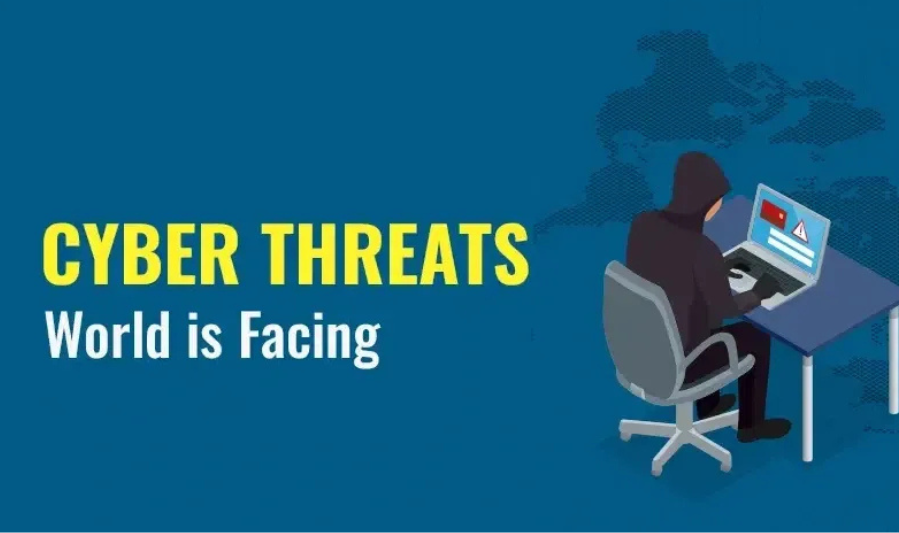
As technology advances, cyber threats are also increasing in complexity and frequency. Hackers and cybercriminals use advanced techniques to exploit system vulnerabilities and gain unauthorized access to data.
Common growing threats include:
- Phishing attacks targeting personal and financial information.
- Malware such as viruses, ransomware, and spyware.
- Data breaches exposing sensitive user information.
- Identity theft and online fraud.
- Denial-of-Service (DoS) attacks that disrupt services.
With the rapid expansion of the internet, cloud computing, and digital services, the attack surface has increased significantly, making cybersecurity more important than ever.
History of Cybersecurity
Early Computer Security Systems
Origins of Computer Security
The history of cybersecurity began with the development of early computers in the 1960s and 1970s, when systems were mainly used by governments, universities, and large organizations. At that time, security concerns were minimal because computers were isolated and not widely connected.
Early Security Measures
Initial security efforts focused on controlling physical access to machines and restricting user permissions. As multi-user systems were introduced, basic authentication methods such as passwords were developed to prevent unauthorized access.
Early Awareness of Digital Threats
Even in early computing environments, researchers recognized the potential risks of data misuse and unauthorized access, leading to the development of foundational security principles such as confidentiality, integrity, and availability (CIA triad).
Rise of Internet-Based Threats
Expansion of the Internet
With the rise of the internet in the 1980s and 1990s, computer systems became globally interconnected. This connectivity created new opportunities for communication but also introduced significant security risks.
Emergence of Cyber Threats
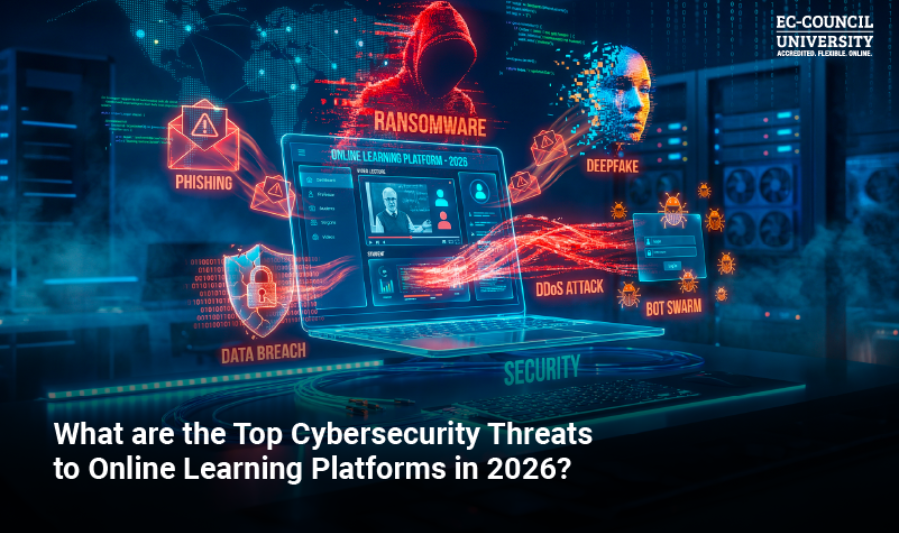
As more systems became online, cyber threats began to grow rapidly. Early forms of malware, viruses, and worms started spreading across networks, affecting computers worldwide.
Notable Early Incidents
One of the first major cyber incidents was the Morris Worm (1988 Internet Worm Incident), which caused widespread disruption across the early internet and highlighted the vulnerability of connected systems.
Growth of Cybercrime
During this period, cybercrime also began to emerge, including hacking, unauthorized access, and data theft. This led organizations to recognize the need for dedicated cybersecurity measures.
Evolution of Modern Cybersecurity Practices
Development of Advanced Security Systems
In response to increasing threats, cybersecurity evolved into a specialized field. Organizations began implementing firewalls, intrusion detection systems, and encryption technologies to protect digital assets.
Rise of Information Security Standards
Frameworks and standards such as risk management policies and security protocols were introduced to ensure consistent protection of information systems.
Modern Cybersecurity Technologies
Today’s cybersecurity practices include advanced tools such as:
- Artificial intelligence-based threat detection
- Multi-factor authentication
- Endpoint security systems
- Cloud security solutions
- Real-time monitoring and incident response systems
Continuous Adaptation
Cybersecurity continues to evolve as cyber threats become more sophisticated. Modern practices focus on proactive defense, threat intelligence, and continuous monitoring to protect against evolving attacks.
Conclusion
The history of cybersecurity shows a clear progression from simple access control in early computer systems to complex, intelligent defense mechanisms used today. As digital connectivity has increased, so have cyber threats, making cybersecurity an essential and continuously evolving field.
What is Cybersecurity?
Definition and Basic Concept
Cybersecurity is the practice of protecting computers, networks, software, and data from unauthorized access, attacks, damage, or theft. It involves using technologies, processes, and strategies to ensure that digital systems remain safe and reliable. The main goal of cybersecurity is to protect information from cyber threats while maintaining confidentiality, integrity, and availability of data.
How Cybersecurity Protects Systems and Data
Cybersecurity works by implementing multiple layers of protection to secure digital environments. These protections help prevent, detect, and respond to cyber threats.
Protection Mechanisms
- Firewalls: Block unauthorized access to networks.
- Encryption: Converts data into secure code to prevent unauthorized reading.
- Antivirus Software: Detects and removes malicious software.
- Authentication Systems: Verify user identity through passwords, biometrics, or multi-factor authentication.
- Intrusion Detection Systems: Monitor networks for suspicious activities.
Data Protection
Cybersecurity ensures that sensitive data such as personal information, financial records, and business data is protected from theft, loss, or misuse. It also helps prevent data breaches and ensures secure communication between systems.
Role of Cybersecurity in Daily Life
Cybersecurity plays an important role in everyday activities as people increasingly rely on digital devices and online services.
Online Banking and Shopping
Cybersecurity protects financial transactions, ensuring safe online banking, mobile payments, and e-commerce activities.
Social Media and Communication
It helps secure personal accounts, messages, and shared content on social media platforms and communication apps.
Mobile and Device Security
Smartphones, laptops, and other devices are protected from viruses, hacking attempts, and unauthorized access.
Work and Education
Organizations and educational institutions rely on cybersecurity to protect sensitive data, online learning platforms, and remote work systems.
Types of Cybersecurity
Cybersecurity is divided into several specialized areas, each focusing on protecting different parts of digital systems, networks, and data. These types work together to create a strong defense against cyber threats.
4.1 Network Security
Definition
Network security focuses on protecting computer networks from unauthorized access, misuse, or attacks.
Key Protections
- Firewalls to control network traffic
- Intrusion Detection and Prevention Systems (IDS/IPS)
- Secure network protocols (HTTPS, VPNs)
Importance
It ensures that data traveling across networks remains safe and is not intercepted or modified by attackers.
4.2 Application Security
Definition
Application security involves protecting software applications from vulnerabilities and cyberattacks throughout their lifecycle.
Key Protections
- Secure coding practices
- Regular software updates and patches
- Authentication and authorization controls
Importance
It prevents attackers from exploiting weaknesses in applications such as websites, mobile apps, and desktop software.
4.3 Information Security
Definition
Information security (InfoSec) focuses on protecting sensitive data from unauthorized access, alteration, or destruction.
Key Protections
- Data encryption
- Access control systems
- Data backup and recovery
Importance
It ensures confidentiality, integrity, and availability of data (CIA triad).
4.4 Cloud Security
Definition
Cloud security protects data, applications, and services stored in cloud computing environments.
Key Protections
- Secure cloud storage configurations
- Identity and access management (IAM)
- Encryption of cloud data
Importance
It ensures safe use of cloud platforms while preventing data breaches and unauthorized access.
4.5 Endpoint Security
Definition
Endpoint security focuses on protecting devices such as computers, laptops, smartphones, and tablets that connect to a network.
Key Protections
- Antivirus and anti-malware software
- Device encryption
- Endpoint detection and response (EDR) systems
Importance
It prevents attackers from using individual devices as entry points into larger networks.
4.6 IoT Security (Internet of Things)
Definition
IoT security protects internet-connected devices such as smart home devices, wearable technology, and industrial sensors.
Key Protections
- Secure device authentication
- Firmware updates
- Network segmentation for IoT devices
Importance
As IoT devices increase, securing them is essential to prevent large-scale attacks and unauthorized access to connected systems.
Common Cyber Threats
Cyber threats are malicious activities designed to damage, disrupt, or gain unauthorized access to computer systems and data. Understanding these threats is essential for protecting individuals and organizations in the digital world.
Malware (Viruses, Worms, Spyware)
Definition
Malware is short for “malicious software,” and it refers to any software designed to harm or exploit computers, networks, or users.
Types of Malware
- Viruses: Attach themselves to files and spread when executed.
- Worms: Self-replicating programs that spread across networks without user action.
- Spyware: Secretly monitors user activity and collects sensitive information.
Impact
Malware can slow down systems, steal data, corrupt files, and cause system failures.
Phishing Attacks
Definition
Phishing is a cyber attack where attackers impersonate trusted organizations or individuals to trick users into revealing sensitive information such as passwords or credit card details.
Methods
- Fake emails and messages
- Fraudulent websites
- Social media scams
Impact
Phishing can lead to identity theft, financial loss, and unauthorized account access.
Ransomware Attacks
Definition
Ransomware is a type of malware that locks or encrypts a victim’s data and demands payment (ransom) to restore access.
How It Works
Attackers infect systems, encrypt files, and display ransom demands, often in cryptocurrency.
Impact
- Loss of important data
- Financial damage
- Disruption of business operations
Hacking and Unauthorized Access
Definition
Hacking involves gaining unauthorized access to computer systems, networks, or accounts.
Types
- Ethical hacking (for security testing)
- Malicious hacking (for theft or damage)
Impact
- Data theft
- System manipulation
- Privacy violations
Data Breaches
Definition
A data breach occurs when sensitive, confidential, or protected data is accessed or disclosed without authorization.
Causes
- Weak security systems
- Insider threats
- Malware or hacking attacks
Impact
- Exposure of personal and financial data
- Loss of customer trust
- Legal and financial consequences
How Cyber Attacks Work
Cyber attacks are planned actions carried out by hackers to gain unauthorized access, steal information, disrupt systems, or cause damage. These attacks usually rely on exploiting weaknesses in systems, human behavior, or software.
Attack Methods Used by Hackers
Social Engineering
Hackers often manipulate people rather than systems. Social engineering involves tricking users into revealing sensitive information such as passwords or OTPs.
Brute Force Attacks
In brute force attacks, hackers try multiple password combinations until they find the correct one. Weak passwords are especially vulnerable to this method.
Man-in-the-Middle Attacks
In this method, attackers secretly intercept communication between two parties to steal or modify data being exchanged.
Exploiting Software Bugs
Hackers take advantage of errors or flaws in software to gain access or execute malicious code.
Exploiting System Vulnerabilities
Definition
System vulnerabilities are weaknesses in hardware, software, or network configurations that can be exploited by attackers.
How Exploitation Happens
- Unpatched software or outdated systems
- Poor security configurations
- Weak authentication systems
- Open network ports
Impact
Once a vulnerability is exploited, attackers can gain control over systems, steal data, or install malicious programs.
Phishing and Fake Websites
Phishing Attacks
Phishing involves sending fake emails, messages, or notifications that appear to come from trusted sources. These messages trick users into clicking malicious links or sharing sensitive information.
Fake Websites
Hackers create websites that look identical to real ones, such as banking or social media sites, to steal login credentials.
How Users Are Tricked
- Urgent messages claiming account issues
- Fake login pages asking for credentials
- Links that closely resemble real website URLs
Impact
Phishing and fake websites often lead to identity theft, financial loss, and unauthorized account access.
You may also like to read these posts:
Artificial Intelligence: Shaping the Future of Humanity
Understanding Machine Learning and Its Real-World Applications
Understanding Data Science and Its Real-World Applications
Malware Distribution Techniques
Email Attachments
Malware is often spread through infected email attachments disguised as documents, invoices, or images.
Software Downloads
Fake or pirated software may contain hidden malware that installs when the program is executed.
Malicious Links
Hackers share links through emails, messages, or websites that automatically download malware onto the device.
Infected External Devices
USB drives and other removable devices can carry malware that spreads when connected to a system.
Importance of Cybersecurity
Cybersecurity plays a crucial role in protecting digital systems, networks, and data from unauthorized access, attacks, and damage. In an increasingly connected world, it has become essential for individuals, businesses, and governments to secure their digital environments.
Protecting Personal Information
Definition
Personal information includes sensitive data such as names, addresses, passwords, identification numbers, and financial details.
Importance
Cybersecurity helps protect this information from theft or misuse by hackers and cybercriminals. Strong security measures such as encryption, secure passwords, and multi-factor authentication reduce the risk of identity theft and privacy breaches.
Securing Business Data
Definition
Business data includes confidential information such as customer records, financial reports, trade secrets, and operational details.
Importance
Cybersecurity ensures that organizations can protect their critical data from cyberattacks, unauthorized access, and data leaks. It helps businesses maintain smooth operations and avoid financial and reputational losses.
Preventing Financial Fraud
Definition
Financial fraud involves illegal activities such as stealing money, credit card fraud, and unauthorized online transactions.
Importance
Cybersecurity systems monitor and secure online banking, payment systems, and financial platforms to detect suspicious activities and prevent fraud. This protects both individuals and organizations from monetary losses.
Ensuring National Security
Definition
National security involves protecting a country’s critical infrastructure, government systems, and sensitive information.
Importance
Cybersecurity is essential for safeguarding defense systems, power grids, communication networks, and government databases from cyberattacks. It helps prevent espionage, sabotage, and cyber warfare.
Building Trust in Digital Systems
Definition
Trust in digital systems refers to users’ confidence in using online platforms, services, and technologies safely.
Importance
Strong cybersecurity practices ensure that users can safely interact with digital services such as online shopping, banking, and communication platforms. This trust is essential for the growth of the digital economy and technology adoption.
Conclusion
Cybersecurity is vital for protecting personal and organizational data, preventing financial fraud, ensuring national security, and building trust in digital systems. As cyber threats continue to grow, effective cybersecurity measures are essential for maintaining safety and stability in the digital world.
Faqs:
What is Cybersecurity?
Cybersecurity is the practice of protecting computers, networks, and data from cyber threats such as hacking, malware, phishing, and data breaches.
Why is Cybersecurity important?
Cybersecurity is important because it protects personal information, prevents financial fraud, secures business systems, and ensures online privacy.
What are common types of cyber threats?
Common cyber threats include malware, phishing attacks, ransomware, hacking, and data breaches.
How can I protect myself online?
You can stay safe online by using strong passwords, enabling two-factor authentication, avoiding suspicious links, updating software regularly, and using antivirus protection.
What is the future of Cybersecurity?
The future of Cybersecurity will involve advanced technologies like Artificial Intelligence and Machine Learning to detect threats faster and improve digital protection syste
Conclusion
Cybersecurity has become a critical need in today’s digital world where almost every activity is connected to the internet. It plays a vital role in protecting personal data, business information, and government systems from cyber threats and attacks.
As cybercrime continues to grow, the importance of strong security measures, user awareness, and advanced technologies is increasing. By following best practices and staying alert, individuals and organizations can significantly reduce the risk of cyber threats.
In conclusion, Cybersecurity is not just a technical requirement but a necessity for a safe and secure digital future.