
Introduction
What Are Workplace Skills?
Definition of Workplace Skills
Workplace skills are the abilities needed to perform effectively in a professional environment, including communication, teamwork, problem-solving, and technical abilities.
Key Idea
They help individuals complete tasks efficiently, work well with others, and succeed in different job roles.
Why Workplace Skills Matter in 2026
Evolving Work Environment
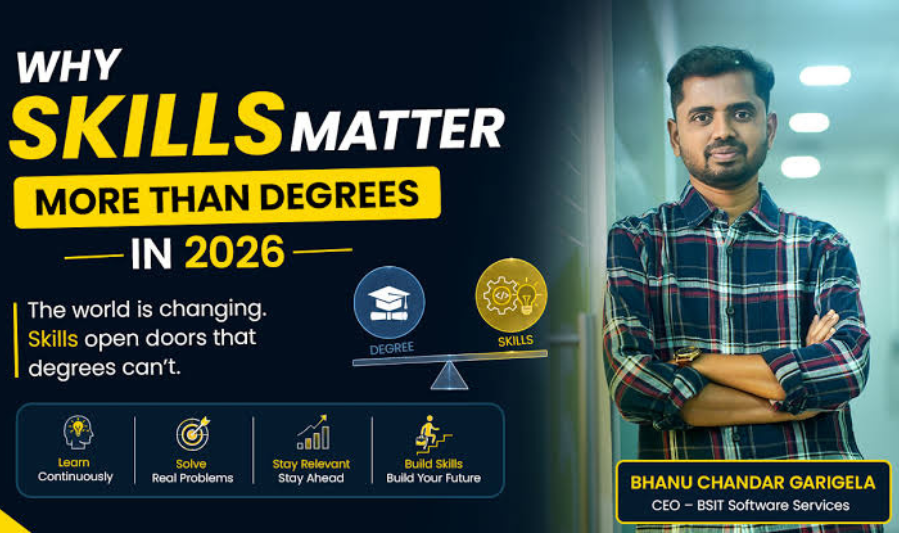
Modern workplaces are changing due to technology, automation, and remote work.
Higher Competition
Employers now expect both technical expertise and strong soft skills.
Career Success
Strong workplace skills improve productivity, adaptability, and career growth opportunities.
Who Needs Workplace Skills?
Students
To prepare for internships, part-time jobs, and future careers.
Job Seekers
To increase employability and perform well in interviews and jobs.
Working Professionals
To improve performance and achieve promotions.
Career Changers
To adapt quickly to new industries and roles.
What This Guide Covers
Understanding Workplace Skills
Learn what workplace skills are and why they matter.
Types of Skills
Explore technical, communication, and behavioral skills.
Skill Development
How to improve and apply workplace skills effectively.
Career Impact
How workplace skills contribute to long-term success.
Understanding Workplace Skills
Definition of Workplace Skills
Hard Skills vs Soft Skills
Technical vs Behavioral Skills
Importance in Modern Work Environment
Myths About Workplace Skills
Importance of Workplace Skills
Career Growth Opportunities
Professional Advancement
Workplace skills help you qualify for promotions and higher-level roles.
Importance
They support long-term career progression and new responsibilities.
Better Job Performance
Improved Work Quality
Strong workplace skills help you complete tasks more effectively and accurately.
Importance
Better performance leads to higher productivity and recognition at work.
Increased Employability
Strong Job Market Profile
Employers prefer candidates with both technical and soft workplace skills.
Importance
It increases your chances of getting hired in competitive job markets.
Workplace Efficiency
Smarter Work Process
Workplace skills help you manage time, resources, and tasks more effectively.
Importance
It reduces errors, saves time, and improves overall output.
Leadership Development
Building Leadership Abilities
Workplace skills help develop decision-making, communication, and management abilities.
Importance
They prepare you for leadership and supervisory roles.
Team Success
Effective Collaboration
Strong workplace skills improve teamwork and coordination among employees.
Importance
Better teamwork leads to higher productivity and successful project outcomes.
Core Workplace Skills
Communication Skills
Clear Information Sharing
Communication skills involve expressing ideas clearly and understanding others effectively in a workplace setting.
Importance
They improve coordination, reduce misunderstandings, and increase productivity.
Teamwork and Collaboration
Working with Others
Teamwork means cooperating with colleagues to achieve shared goals.
Importance
It helps improve efficiency, creativity, and workplace harmony.
Time Management
Effective Use of Time
Time management is the ability to plan and complete tasks within deadlines.
Importance
It increases productivity and reduces stress at work.
Problem-Solving Skills
Handling Workplace Challenges
Problem-solving involves identifying issues and finding practical solutions.
Importance
It helps maintain workflow and improve decision-making.
Adaptability and Flexibility
Adjusting to Change
Adaptability is the ability to adjust to new tasks, technologies, and work environments.
Importance
It helps employees stay relevant and perform well in changing conditions.
Leadership Skills
Guiding and Motivating Others
Leadership skills involve managing teams, making decisions, and guiding others toward goals.
Importance
They are essential for career advancement and management roles.
Emotional Intelligence
Understanding Emotions
Emotional intelligence is the ability to manage your emotions and understand others’ feelings in the workplace.
Importance
It improves teamwork, communication, and conflict resolution.
Communication Skills in the Workplace
Verbal Communication
Speaking Clearly
Verbal communication involves expressing ideas clearly through spoken words in meetings, discussions, and conversations.
Importance
It helps avoid misunderstandings and ensures effective teamwork and coordination.
Written Communication
Professional Writing
Written communication includes emails, reports, messages, and documentation used in the workplace.
Importance
It ensures clarity, record-keeping, and professional interaction between team members.
Listening Skills
Understanding Others
Listening skills involve paying full attention to understand instructions, feedback, and ideas.
Importance
Good listening reduces errors and improves collaboration and decision-making.
Presentation Skills
Sharing Information Effectively
Presentation skills involve explaining ideas clearly using speech, visuals, and structured content.
Importance
They help communicate ideas confidently in meetings, reports, and client interactions.
Workplace Etiquette
Professional Behavior
Workplace etiquette refers to respectful and appropriate behavior in a professional environment.
Importance
It builds positive relationships, maintains professionalism, and creates a healthy work culture.
Teamwork and Collaboration
Importance of Teamwor
Working Together for Success
Teamwork is the ability of individuals to work together to achieve shared goals.
Importance
It improves productivity, creativity, and problem-solving in the workplace.
Working in Groups Effectively
Coordinated Effort
Working effectively in groups means sharing responsibilities, communicating clearly, and respecting each member’s role.
Importance
It ensures tasks are completed efficiently and goals are achieved on time.
Time Management Skills
Prioritizing Tasks
Choosing What Matters Most
Prioritizing tasks means organizing work based on importance and urgency.
Importance
It helps you focus on high-value tasks first and improves overall efficiency.
Meeting Deadlines
Completing Work on Time
Meeting deadlines involves finishing tasks within the assigned time frame.
Importance
It builds reliability, trust, and professionalism in the workplace.
Productivity Techniques
Working Smarter
Productivity techniques include methods like time blocking, the Pomodoro technique, and task batching.
Importance
They help improve focus, efficiency, and work output.
Avoiding Distractions
Staying Focused
Avoiding distractions means reducing interruptions from social media, noise, or multitasking.
Importance
It increases concentration and improves the quality of work.
Work Planning Tools
Organizing Tasks
Work planning tools include calendars, to-do lists, project management apps, and scheduling tools.
Importance
They help track progress, manage time effectively, and stay organized.
Problem-Solving Skills
Identifying Workplace Problems
Understanding the Issue
Identifying workplace problems means recognizing challenges, errors, or inefficiencies in tasks or processes.
Importance
Clear problem identification is the first step toward finding effective solutions.
Analytical Thinking
Breaking Down Information
Analytical thinking involves examining data, situations, and information in a logical and structured way.
Importance
It helps you understand the root cause of problems instead of just symptoms.
Decision-Making Skills
Choosing the Best Option
Decision-making involves evaluating different solutions and selecting the most effective one.
Importance
Good decisions improve performance, reduce risks, and support better outcomes.
Creative Solutions
Thinking Differently
Creative solutions involve finding new and innovative ways to solve problems.
Importance
It helps improve efficiency and overcome challenges in unique situations.
Real-Life Workplace Scenarios
Applying Skills in Practice
Real-life scenarios involve using problem-solving skills in actual workplace situations, such as handling customer complaints or fixing workflow issues.
Importance
Practical application strengthens confidence and improves job performance.
Emotional Intelligence at Work
Understanding Emotions
Recognizing Feelings
Understanding emotions means being aware of your own emotions and the emotions of others in the workplace.
Importance
It helps improve communication, decision-making, and workplace behavior.
Self-Control in Workplace
Managing Reactions
Self-control is the ability to stay calm and professional in stressful or challenging situations.
Importance
It prevents conflicts and supports a positive work environment.
Empathy with Colleagues
Understanding Others’ Perspectives
Empathy means being able to understand and respect the feelings and viewpoints of coworkers.
Importance
It builds trust, teamwork, and stronger professional relationships.
You may also like to read these posts:
Artificial Intelligence: Shaping the Future of Humanity
Understanding Machine Learning and Its Real-World Applications
Understanding Data Science and Its Real-World Applications
Handling Stress
Managing Pressure Effectively
Handling stress involves staying focused and calm while dealing with workload or deadlines.
Importance
It improves performance and prevents burnout in the workplace.
Building Positive Work Relationships
Healthy Workplace Connections
Building positive relationships means interacting respectfully and cooperatively with colleagues.
Importance
It creates a supportive work environment and improves team productivity.
Adaptability in the Workplace
Handling Change
Adjusting to New Situations
Handling change means being able to accept and respond effectively to new processes, policies, or work environments.
Importance
It helps employees stay productive even during uncertainty or organizational changes.
Learning New Technologies
Keeping Up with Innovation
This involves learning and using new tools, software, and digital systems used in modern workplaces.
Importance
It ensures you remain relevant and competitive in a technology-driven job market.
Flexibility in Job Roles
Taking on Different Responsibilities
Flexibility means being open to handling different tasks or roles when needed.
Importance
It improves teamwork, efficiency, and overall workplace productivity.
Growth Mindset
Belief in Continuous Improvement
A growth mindset is the belief that skills and abilities can be developed through effort and learning.
Importance
It encourages learning, resilience, and long-term professional development.
Workplace Challenges
Overcoming Difficult Situations
Workplace challenges include pressure, deadlines, conflicts, and unexpected problems.
Importance
Adaptable employees can handle challenges effectively and maintain performance under pressure.
How to Improve Workplace Skills
Self-Assessment
Understanding Your Current Level
Self-assessment involves evaluating your strengths, weaknesses, and current skill level.
Importance
It helps you identify what skills need improvement and where to focus your efforts.
Continuous Learning
Ongoing Skill Development
Continuous learning means regularly updating your knowledge through books, courses, and practice.
Importance
It keeps your skills relevant in a changing workplace environment.
Training Programs and Workshops
Structured Learning Opportunities
These are organized sessions designed to teach specific workplace skills.
Importance
They provide practical knowledge and help improve job performance quickly.
Real-World Practice
Applying Skills in Action
Real-world practice involves using your skills in actual work situations or projects.
Importance
It strengthens confidence and improves practical understanding.
Feedback and Improvement
Learning from Others
Feedback involves receiving suggestions from managers, colleagues, or mentors.
Importance
It helps you correct mistakes and continuously improve your performance.
Mentorship and Guidance
Learning from Experience
Mentorship means learning from experienced professionals who guide your career growth.
Importance
It provides direction, advice, and support for faster skill development.
Faqs:
What are workplace skills in simple words?
Workplace skills are abilities like communication, teamwork, and time management that help you work effectively in a professional environment.
Why are workplace skills important?
They are important because they improve job performance, help you work better in teams, and increase career growth opportunities.
How can I improve my workplace skills?
You can improve them by practicing communication, working in teams, learning from feedback, and attending training or workshops.
Are workplace skills more important than technical skills?
Both are important. Technical skills help you do the job, while workplace skills help you succeed and grow in that job.
What are examples of workplace skills?
Examples include communication, teamwork, problem-solving, time management, adaptability, and leadership skills.
Conclusion
Workplace skills are a vital part of professional success in any career. They help you communicate effectively, work in teams, manage tasks efficiently, and adapt to changing work environments.
While technical knowledge helps you get a job, strong workplace skills help you grow, perform better, and build a successful long-term career. By continuously improving these skills through practice, learning, and feedback, you can increase your productivity and professional value.
Remember, developing workplace skills is a continuous process. The more you improve them, the more confident, capable, and successful you become in your career journey.